
 By guestpostupmy@gmail.com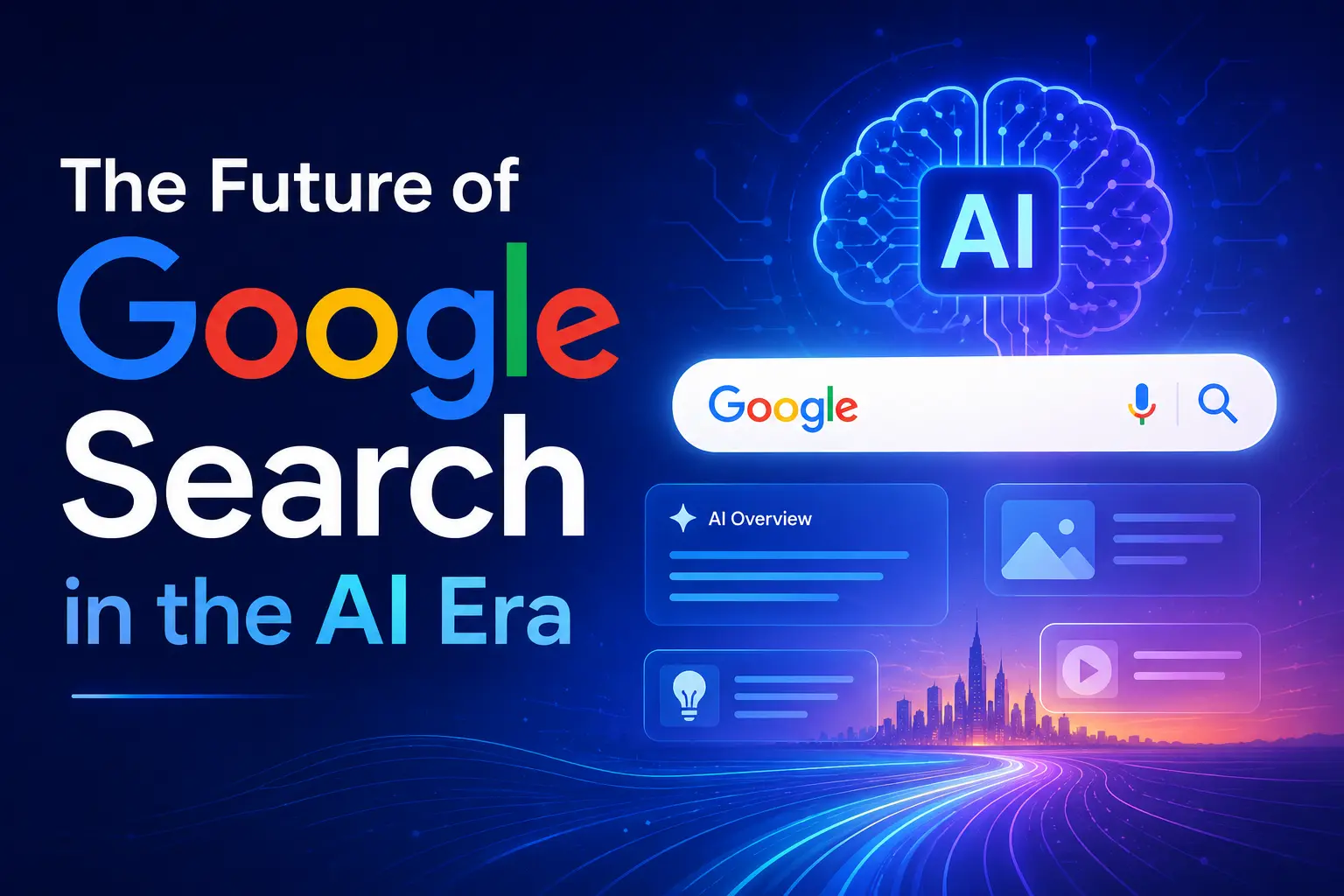
Google Search is undergoing its most significant transformation in over two decades. The shift from a link-based index to an AI-driven synthesis engine changes how users discover information and how businesses must approach visibility. Success now depends on your ability to provide genuine value that AI systems can trust, verify, and cite.
Transitioning from Keywords to Intent
The core of modern search is no longer matching a string of text to a list of pages. Instead, Google’s systems analyze the underlying intent behind a query to deliver direct, synthesized answers. This conversational evolution means your content must move beyond surface-level keyword optimization to address the “why” and “how” behind a user’s search.
-
Conversational Depth: Write for the specific, complex questions users ask their AI assistants, providing thorough, step-by-step solutions that anticipate follow-up needs.
-
Information Gain: Google prioritizes content that adds something new. Avoid simply summarizing existing results; instead, introduce unique perspectives, data, or personal insights that competitors lack.
-
Structured Clarity: Organize your information into modular blocks, such as clear answer boxes or logical subheadings, which allow AI systems to extract your content as a credible reference.
-
Entity Alignment: Focus on building authority within a specific subject domain. Search systems evaluate how well your site relates to key topics and entities, rewarding those who demonstrate deep expertise over broad, thin coverage.
Strategies for AI-Era Discoverability
Adapting to this environment requires a focus on how your brand is perceived by both humans and machines. You are no longer just competing for a blue link; you are competing to be the trusted data source that powers an AI response.
-
Prioritize E-E-A-T Signals: Google’s evaluation framework—Experience, Expertise, Authoritativeness, and Trustworthiness—is the backbone of AI-era rankings. Ensure your content is authored by recognized experts and includes transparent sourcing.
-
Optimize for Citation: Focus on becoming “citation-worthy.” Incorporate original research, clear data, and actionable insights. When AI systems need to substantiate a point, they favor sources that provide evidence-backed information.
-
Enhance Technical Foundations: While content is key, technical accessibility remains non-negotiable. Fast page performance, mobile responsiveness, and clean site architecture ensure that Google’s crawlers can effectively index your depth of knowledge.
-
Build Topical Authority: Consolidate your strategy around complete content clusters. By interlinking related articles, you create a cohesive knowledge ecosystem that signals to AI models that your domain is a primary authority on the topic.
Maintaining a People-First Philosophy
The most resilient strategy in an AI-dominated search landscape is to focus on the human user. Google’s integrated systems are designed to reward content that satisfies the reader and provides a high-quality experience. If your content is written to manipulate algorithms rather than help people, it risks being devalued by the core ranking systems that now continuously assess page utility.
True helpfulness involves removing friction. Ensure your pages load quickly, provide easy navigation, and present information without unnecessary filler or repetitive phrasing. When you create content with the user’s satisfaction as your primary goal—rather than simply chasing a higher rank—you naturally align with the quality signals that Google’s AI models prioritize for inclusion in summaries and answer snapshots.
Conclusion
The future of search is conversational, synthesized, and heavily reliant on trust. As Google continues to integrate advanced models directly into the search experience, your role as a content creator is to become an indispensable source of truth. By focusing on unique insight, deep topical authority, and a commitment to the user, you ensure your brand remains visible, relevant, and authoritative regardless of how the underlying technology evolves.
Frequently Asked Questions
Is SEO dead with the rise of AI Overviews?
SEO is not dead, but it has evolved. It is no longer just about keyword rankings; it is about “Answer Engine Optimization” and becoming a trusted reference point for AI systems.
Do I need to change my content if I am not appearing in AI summaries?
Review your content for clarity and depth. Ensure you are providing unique data or insights that aren’t present in existing summaries, and verify that your structure is easy for AI to parse.
Does Google penalize content that uses AI?
Google does not penalize AI-generated content inherently; it penalizes low-quality, “search-engine-first” content. Human oversight and unique expertise are required to ensure AI-assisted content provides real value.
What is the best way to monitor my presence in AI search?
Use Search Console performance reports to see impressions and clicks from AI-integrated features. Focus on building brand authority so that your site remains a preferred source for the AI to cite.
How do I prove my expertise to an AI?
Demonstrate first-hand experience by including specific examples, original data, and clear author bios. Transparency in your methodology and sourcing is a direct signal of trustworthiness.