
 By guestpostupmy@gmail.com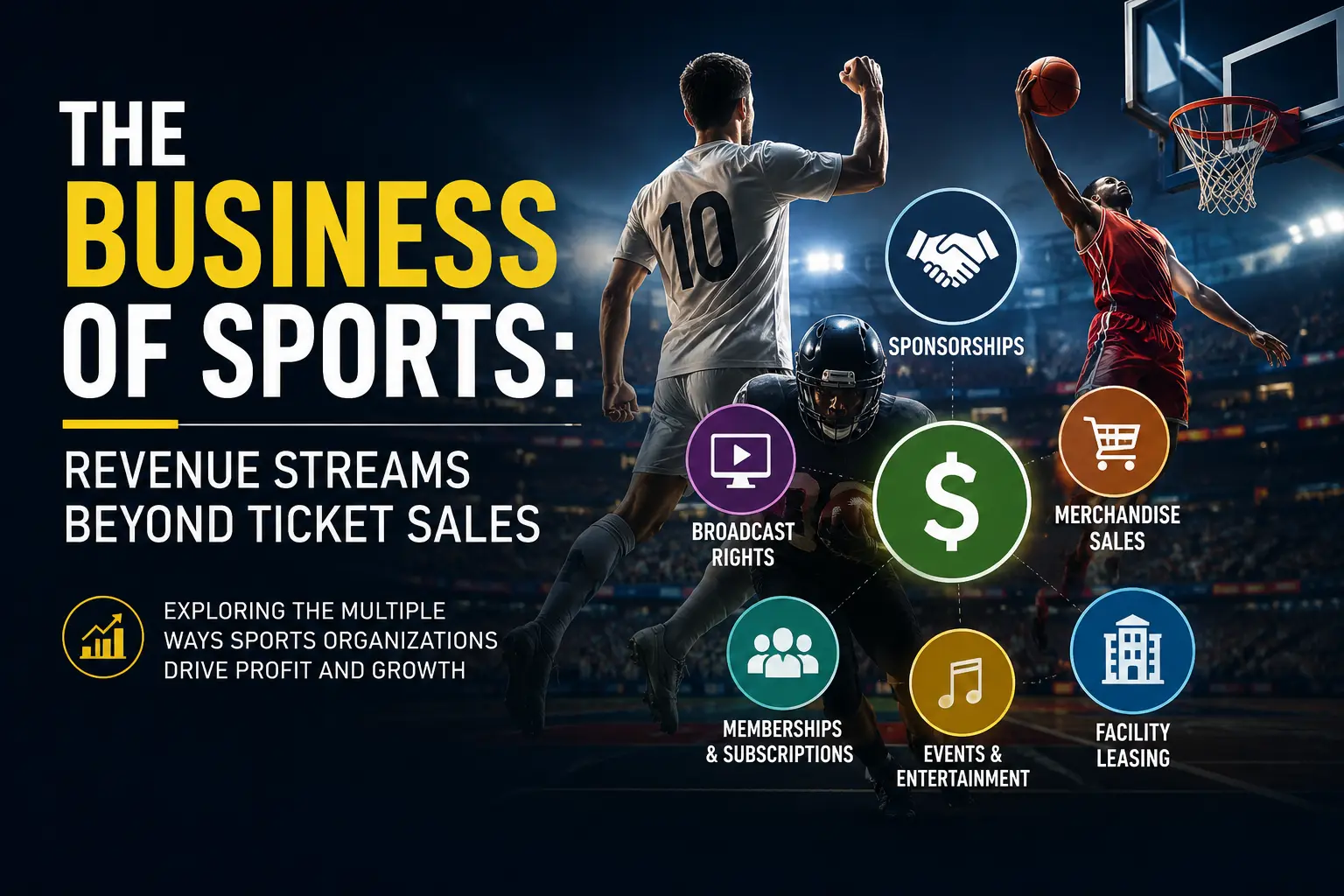
Professional sports organizations have evolved far beyond simple event hosts. While the roar of the crowd remains iconic, modern franchises operate as sophisticated entertainment and media entities. To maintain competitiveness in an era of skyrocketing player salaries and infrastructure costs, teams now rely on a diversified portfolio of income streams that extend well beyond the stadium turnstiles.
Broadcasting Rights: The Stability Engine
Media rights serve as the bedrock of financial security for professional leagues. Rather than relying on the unpredictability of single-game attendance, leagues secure multi-year agreements with television networks and streaming platforms. These deals guarantee a massive, recurring income floor that supports long-term franchise stability.
-
Global Distribution: Streaming partnerships allow teams to reach international audiences, unlocking markets that were previously inaccessible via traditional cable television.
-
Exclusive Content Deals: Digital platforms often pay a premium for exclusive rights to stream specific games or behind-the-scenes content, creating new bidding wars that drive up valuation.
-
Data Licensing: Leagues now package and sell official match data—such as player statistics and real-time game outcomes—to media outlets and betting companies, turning raw information into a high-margin asset.
Real Estate and Entertainment Districts
Sophisticated sports owners are increasingly pivoting toward real estate development to maximize their footprint. By transforming the area surrounding a stadium into a year-round “entertainment district,” teams create a destination that generates value on days when no games are played.
-
Integrated Hospitality: Ownership of hotels, restaurants, and retail spaces around the venue ensures the team captures spending before and after the event.
-
Commercial Leasing: By developing office spaces or residential units adjacent to the stadium, franchises generate steady rental income that is independent of athletic performance.
-
Venue Utilization: Modern arenas are engineered to be multi-purpose. By hosting concerts, conventions, and e-sports tournaments, teams turn their stadiums into 365-day-a-year revenue machines.
Digital Innovation and Diversification
The digital age has introduced a new layer of monetization that bypasses the need for physical presence entirely. Teams are now media houses, leveraging their brands to cultivate digital-first relationships with fans across the globe.
-
Premium Fan Experiences: Virtual reality and augmented reality initiatives allow fans to experience the game from home as if they were sitting courtside, creating a new tier of paid digital access.
-
E-Sports and Gaming: Acquiring or partnering with e-sports teams provides a bridge to younger demographics, opening up unique sponsorship opportunities and digital merchandise sales.
-
Philanthropic Partnerships: Socially conscious branding campaigns, supported by social media engagement, allow teams to attract partners who align with their mission, creating value that is as much about social capital as it is about financial gain.
Conclusion
The business of sports is defined by a move toward resilience and diversification. By leveraging media dominance, real estate development, and digital innovation, modern franchises protect themselves against the volatility of on-field results. Successful organizations no longer view themselves as just teams, but as global lifestyle brands that offer value at every touchpoint of the fan experience.
Frequently Asked Questions
Why do teams invest in entertainment districts around stadiums?
These developments turn a stadium from a single-use facility into a year-round economic hub, providing rental and hospitality income even during the off-season.
How does data licensing help a sports team make money?
Leagues sell official, verified game statistics to betting companies and media organizations, which use that data to power their own platforms and services.
Are e-sports a legitimate revenue stream for traditional sports?
Yes, e-sports allow traditional teams to engage with younger audiences and unlock new sponsorship deals that reach demographics that may not follow traditional televised sports.
What is the “stability engine” of a sports franchise?
Broadcast and media rights are considered the stability engine because they provide multi-year, guaranteed revenue that is not dependent on game-day attendance.
How can a sports organization grow without increasing ticket prices?
By focusing on digital fan experiences, such as virtual subscriptions and exclusive online content, teams can monetize global fans who live far away from the physical stadium.