
 By guestpostupmy@gmail.com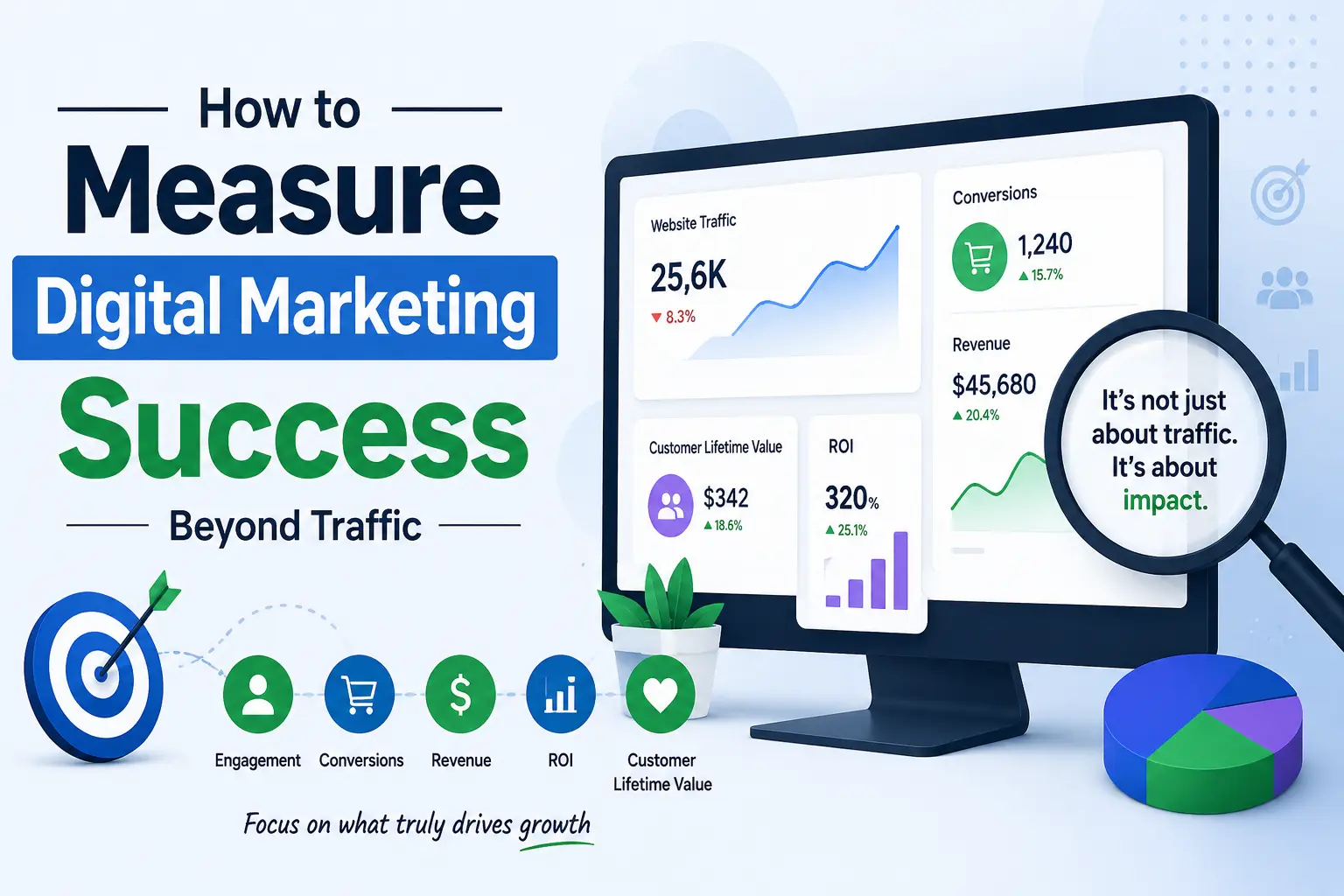
Traffic is often treated as the primary indicator of marketing health, but volume alone is a vanity metric. A website can attract thousands of visitors who have no intention of buying, engaging, or returning. True marketing success is found in measuring the quality of interaction, the movement of leads through your funnel, and the ultimate financial impact on your bottom line.
Tracking Engagement and Intent Metrics
To understand if your content truly resonates, you must shift your focus toward behavioral data. Engagement metrics reveal whether your visitors are actually consuming your message or simply bouncing to the next search result. By analyzing how users interact with your assets, you gain clarity on which topics foster genuine interest.
-
Average Engagement Time: Identify how long users spend on a page to determine if your content is effectively answering their questions.
-
Conversion Rate by Channel: Compare which sources bring not just the most visitors, but the most qualified leads or buyers.
-
Click-Through Rate (CTR) on CTAs: Observe if your content successfully moves readers toward a specific action, such as signing up or requesting a demo.
-
Scroll Depth: Monitor how far users read to verify if your most important value propositions are being seen.
Quantifying Financial Impact and Lead Quality
The ultimate goal of any business is revenue. Measuring success requires linking your marketing activities directly to monetary results. If you cannot track a lead from their first click to their final purchase, you cannot accurately calculate the effectiveness of your investment.
-
Customer Acquisition Cost (CAC): Calculate the total spend required to gain one new paying customer to ensure your marketing remains profitable.
-
Lead-to-Customer Ratio: Assess the quality of your traffic by monitoring how many leads actually turn into paying clients.
-
Customer Lifetime Value (CLV): Track the long-term revenue generated by a customer to determine if your marketing attracts loyal clients or one-time buyers.
-
Return on Ad Spend (ROAS): Evaluate the direct profit generated by specific paid campaigns to optimize budget allocation.
Analyzing Audience Retention and Brand Loyalty
Sustainable growth relies on turning one-time visitors into brand advocates. Repeat visitors and long-term subscribers are much less expensive to maintain than new leads. When your audience returns voluntarily, it indicates that your brand is solving their problems consistently.
Use your analytics to observe the ratio of new versus returning users. A healthy, growing brand should see a steady increase in repeat visits, signaling that the educational or entertainment value of your content keeps them coming back. Furthermore, track direct traffic and branded search volume. When people start searching for your company name specifically, it serves as a powerful indicator of growing brand authority and market trust, which is far more indicative of long-term success than general keyword traffic.
Conclusion
Measuring marketing success beyond traffic requires a disciplined focus on outcomes that impact your business objectives. By prioritizing engagement, lead quality, and customer loyalty, you shift your strategy toward growth that creates tangible value. Move past the surface-level numbers to uncover the data that truly reflects the health and trajectory of your business.
Frequently Asked Questions
Why is traffic considered a vanity metric? Traffic represents visibility, but it does not guarantee engagement or profit; having high traffic without conversions means you are attracting the wrong audience.
How do I link marketing activity to revenue? Use unique tracking links, CRM integration, and goal tracking in your analytics software to follow the path of a lead from their first interaction to the sale.
What should I prioritize if my traffic is high but sales are low? Analyze your conversion rate and user experience; your content likely attracts people who have a different intent than what your offer provides.
How often should I review these non-traffic metrics? Monthly reviews are typically sufficient for identifying trends, though key performance indicators should be monitored weekly to catch sudden drops or spikes in quality.
Can I use engagement metrics to predict future sales? Yes, high engagement metrics from specific content pieces often serve as leading indicators for increased lead generation in the following weeks.