
 By user
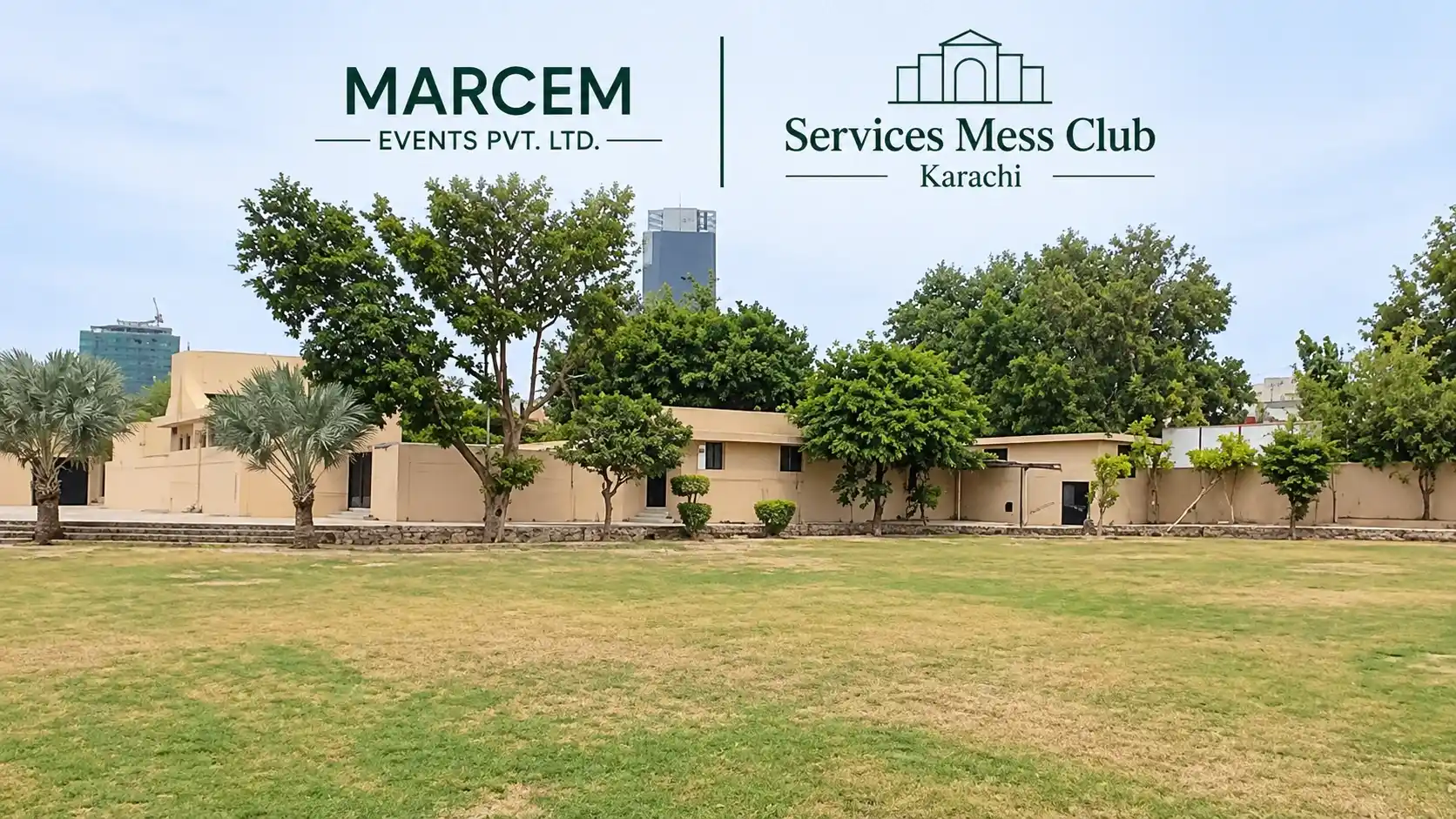
Organizing a professional event requires more than selecting a location and inviting guests. It involves understanding the purpose of the gathering, evaluating venue facilities, preparing an appropriate layout and coordinating the different services required for successful execution.
In a large city such as Karachi, organizations have different requirements when arranging business meetings, formal dinners, institutional gatherings and private functions. The selection of a venue should therefore be based on practical considerations rather than appearance alone.
For people researching Services Mess Club, understanding the venue selection process and the responsibilities involved in event management can help make the planning process more organized.
Why Services Mess Club Should Be Considered in Venue Research
Venue research is an important starting point for anyone planning a formal or professional gathering.
When evaluating Services Mess Club, organizers should establish whether the location is suitable for their intended occasion and confirm its current booking policies, available facilities and permitted event arrangements directly with the venue management.
A proper evaluation should include:
- The purpose and format of the event
- Expected guest attendance
- Available facilities and seating arrangements
- Catering policies and food service options
- Event decoration permissions
- Technical and audiovisual requirements
- Booking procedures and applicable charges
- Access arrangements for guests and suppliers
These details help organizers determine whether the venue meets their operational requirements.
Important Factors When Selecting an Event Venue in Karachi
Selecting an appropriate venue requires a balanced assessment of several factors. A location that works well for one type of gathering may not necessarily be suitable for another.
1. Understand the Nature of the Occasion
The first step is identifying the purpose of the event.
A business meeting may require a formal seating arrangement and presentation facilities. An institutional gathering may involve speeches and guest reception, while a corporate dinner may focus more on dining and hospitality.
The intended event format should guide every subsequent planning decision.
2. Evaluate Guest Requirements
The expected attendance plays an important role in determining the appropriate layout.
Organizers should prepare an estimated guest list and consider the space required for seating, movement, registration and other event activities.
The permitted capacity should always be confirmed with venue management.
3. Review Available Facilities
Before making a booking decision, ask which facilities are included and which services require separate arrangements.
These may include dining facilities, audiovisual equipment, presentation areas, electricity backup and other operational requirements.
4. Understand Booking Conditions
Every venue may have different booking procedures and operational policies.
Organizers should confirm availability, payment terms, cancellation conditions, event timings and any restrictions that could affect preparation.
Getting these details in writing helps avoid misunderstandings later.
Corporate Functions and Their Event Management Requirements
Corporate functions are organized for different professional objectives. These may include business networking, employee engagement, organizational celebrations, conferences and formal dinners.
Each format requires a different approach to planning and execution.
Business Networking Events
Networking gatherings provide opportunities for professionals to meet, exchange ideas and develop business relationships.
The event layout should allow guests to interact comfortably. Depending on the programme, organizers may require a reception desk, refreshments, seating areas and basic presentation facilities.
Annual Corporate Dinners
Annual dinners often involve employees, management representatives, invited guests and business partners.
These events may include welcome speeches, award presentations, dinner service and entertainment.
A clear event schedule helps coordinate these activities and ensures that the different service providers understand their responsibilities.
Award Ceremonies and Recognition Events
Recognition ceremonies require careful planning because several activities must take place in a specific sequence.
Organizers may need:
- A stage and presentation backdrop
- Award display arrangements
- Microphones and sound equipment
- Guest seating plans
- Photography and videography
- A presentation and announcement schedule
The technical requirements should be tested before guests arrive.
Institutional Gatherings
Institutional functions may include formal meetings, celebrations, seminars and professional discussions.
Their organization requires clear communication, guest coordination and a suitable programme structure.
The selected venue must be able to accommodate the required arrangements within its approved policies.
Exploring Services Mess Club Karachi for Different Occasions
People searching for Services Mess Club Karachi should consider the specific requirements of their planned occasion before making a booking decision.
The important questions are not limited to the location itself. Organizers should also establish whether the venue permits their intended event format, what facilities are available and whether external service providers can be engaged.
For example, a gathering involving presentations may require audiovisual equipment, while a formal dinner may need additional coordination for seating and food service.
The final arrangements should always be based on information confirmed by venue management.
Event Decoration and Space Planning
The visual presentation of an event can influence how guests experience the occasion.
However, decoration should be planned around the event’s purpose, available space and permitted installations.
Entrance and Welcome Area
The entrance creates the first impression for attendees.
Depending on the venue’s guidelines, organizers may consider welcome signage, registration arrangements and appropriate floral elements.
Seating and Table Arrangements
Seating plans should account for guest numbers, accessibility and the nature of the gathering.
Corporate dinners may require round tables, while formal meetings could benefit from theatre-style or conference-style seating.
Stage and Backdrop Design
For events involving speeches, presentations or award ceremonies, a stage may be required.
The backdrop should reflect the event’s theme and organizational identity without creating unnecessary visual distractions.
All installations must comply with venue permissions and safety requirements.
Lighting and Event Presentation
Lighting can improve visibility and contribute to the overall presentation of an event.
The requirements should be discussed with the relevant technical team before any equipment is installed.
Catering and Guest Hospitality Management
Food and refreshments are important considerations for many professional and social gatherings.
An effective catering plan should match the expected attendance, event schedule and guest requirements.
Before confirming arrangements, organizers should clarify:
- Whether catering is included in the venue booking.
- Whether outside catering companies are permitted.
- Which food and beverage options are available.
- Whether special dietary requirements can be accommodated.
- How food service will fit into the event schedule.
- What arrangements are required for serving staff.
For large gatherings, the catering team should receive the final guest estimate and programme schedule in advance.
This helps manage food quantities and service timings more effectively.
Why Professional Event Management Is Important
Managing an event requires coordination between different service providers and operational teams.
Even when the venue has been confirmed, organizers still need to manage suppliers, technical arrangements, guest requirements and programme activities.
Professional event management can help bring these responsibilities together.
MARCEM Events offers event planning and management services across Pakistan, including corporate gatherings, weddings, exhibitions, brand activations and private functions.
Its capabilities include:
- Event concept development
- Venue sourcing and coordination
- Catering arrangements
- Stage and production management
- Audio and visual equipment coordination
- Floral and event decoration
- Guest management
- Supplier coordination
- On-site event supervision
For organizations considering an event at Services Mess Club, MARCEM Events can be approached to discuss potential planning and coordination requirements, subject to venue approval, availability and applicable policies.
For additional information about the venue-related event planning topic, visit Services Mess Club Karachi.
Understanding the Role of Event Suppliers
Event suppliers contribute different services that support the overall function.
Depending on the requirements, an organizer may need to coordinate:
Catering providers: Responsible for food preparation, presentation and service, where permitted.
Decoration teams: Handle floral arrangements, table styling and approved decorative installations.
Technical suppliers: Provide sound systems, microphones, lighting and presentation equipment.
Photography teams: Document important moments and scheduled activities.
Event coordinators: Manage communication, supplier schedules and event-day responsibilities.
The organizer should establish clear responsibilities and timelines before the event begins.
This reduces confusion and helps different teams work according to a shared plan.
Common Mistakes to Avoid When Organizing a Corporate Function
Even well-funded events can face operational problems when important details are overlooked.
Some common mistakes include:
Confirming a Venue Without Reviewing Its Policies
Organizers should never assume that all event formats, decoration arrangements or external suppliers are permitted.
Preparing an Unrealistic Guest Estimate
Incorrect attendance estimates can affect seating, catering quantities and the overall layout.
Ignoring Technical Rehearsals
Sound and presentation equipment should be tested before the programme begins.
Leaving Supplier Coordination Until the Last Moment
Suppliers need clear access instructions, setup schedules and contact information.
Failing to Prepare an Event Timeline
Without a schedule, activities may overlap or take longer than expected.
Addressing these issues during preparation can make event execution considerably more organized.
Choosing a Professional Event Management Company in Karachi
Organizations planning a corporate or social function may benefit from working with an event management company that can coordinate the different requirements.
When comparing providers, evaluate their service range, relevant experience, communication practices and operational planning capabilities.
Useful questions include:
- Can the company coordinate multiple event suppliers?
- Does it provide catering and decoration arrangements?
- Can it manage stage and technical production?
- Does it offer on-site event supervision?
- Can it work within the venue’s approved policies?
- Does it provide a clear quotation and service breakdown?
MARCEM Events is one option for organizations seeking event planning and management services in Pakistan.
You can explore the MARCEM Events Google Business Profile for its business information and available contact options.
Final Thoughts
Selecting an event venue is an important decision, but successful event organization depends on much more than location.
Guest requirements, catering arrangements, decoration permissions, technical facilities and supplier coordination should all be considered before the event takes place.
For anyone researching Services Mess In Karachi, the best approach is to confirm the venue’s current booking conditions and available facilities directly with its management.
Once the location and arrangements are confirmed, a structured event management plan can help coordinate the remaining activities.
With proper preparation, clear communication and professional coordination, organizations can manage their functions more effectively and provide attendees with a well-organized experience.