
 By user
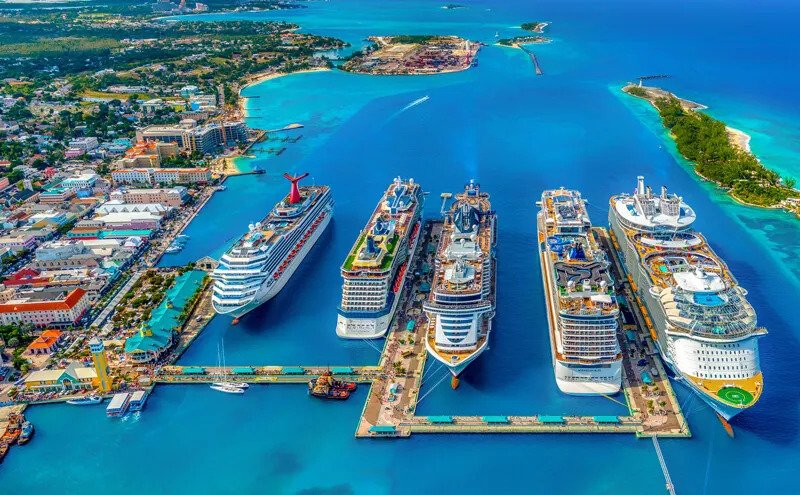
The UAE is a major hub for international trade, logistics and shipping, connecting businesses across the Middle East and global markets. With goods moving through ports, warehouses, roads and international shipping routes every day, businesses face a range of risks that can affect cargo, vessels and supply chains.
Marine insurance plays an important role in managing these risks. It can help businesses protect goods in transit, vessels, and third-party liabilities arising from maritime operations. For importers, exporters, logistics companies and vessel operators, choosing the right type of cover is an important part of effective risk management.
What Is Marine Insurance?
Marine insurance is designed to protect businesses against specific financial losses associated with transporting goods and operating vessels. Although the term traditionally refers to sea transportation, modern marine insurance in uae can also cover goods moving by air and road as part of a wider multimodal supply chain.
The type of policy required depends on several factors, including what is being transported, the transportation route, the value of the cargo, how frequently shipments are made and whether the business owns or operates vessels.
For UAE businesses involved in international trade, understanding these differences can make it easier to choose appropriate protection.
Why Is Marine Insurance Important for UAE Businesses?
A shipment can pass through several stages before reaching its final destination. It may travel from a supplier’s warehouse to a port, be loaded onto a vessel, arrive at another port, remain in storage and then continue by road to the buyer.
At each stage, different risks can arise. Cargo may be damaged during handling, affected by adverse conditions, lost during transportation or exposed to other insured risks.
For businesses dealing with high-value or time-sensitive goods, an unexpected loss can have a significant financial impact. Marine insurance can therefore form an important part of a broader business risk management strategy.
Types of Marine Insurance
Marine insurance is not a single type of policy. Businesses should consider the specific risks associated with their operations.
1. Marine Cargo Insurance
Marine cargo insurance protects goods while they are being transported. Depending on the policy, cargo may be covered while moving by sea, air or road.
Businesses that ship goods occasionally may consider cover for individual shipments, while regular importers and exporters may benefit from annual open cover arrangements. An open cover structure can help simplify administration for companies that regularly move cargo.
The scope of protection depends on the selected policy terms, conditions, exclusions and applicable Institute Cargo Clauses.
2. Marine Hull Insurance
Marine hull insurance is designed for vessel owners and operators. It focuses on physical loss or damage to the vessel and its machinery.
Risks can include incidents such as collision, grounding, fire and heavy weather, depending on the policy wording.
For businesses whose operations depend on vessels, protecting the physical asset can be an important component of their overall insurance programme.
3. Protection & Indemnity Insurance
Protection & Indemnity, commonly known as P&I insurance, addresses certain third-party liabilities associated with vessel operations.
Depending on the policy, this can include areas such as crew-related claims, cargo liabilities and pollution liabilities.
Because maritime liability risks can be complex, vessel owners and operators may benefit from specialist advice when arranging P&I protection.
4. Inland Transit and Multimodal Cargo Insurance
Cargo does not always travel exclusively by sea. A shipment may move by road before reaching a port and continue by road after arriving at its destination.
Multimodal cargo insurance can help address these different transportation stages. It can also be important to consider whether warehousing between transit legs is included, as storage coverage may require a specific extension to the policy.
5. Marine Liability Insurance
Marine operations can create liability exposures beyond the physical cargo or vessel. Cargo handling, port operations and terminal activities can result in third-party claims.
Marine liability insurance can provide protection against certain legal liabilities arising from marine-related business activities, subject to the terms and conditions of the policy.
What Should Businesses Consider Before Buying Marine Insurance?
Choosing a marine insurance policy based only on the value of the cargo may not provide an adequate understanding of the actual risk. Businesses should consider several factors.
Cargo Type
Different goods can have different levels of vulnerability. Fragile, perishable, high-value or specialised cargo may require careful consideration when selecting the appropriate level of coverage.
Transportation Route
The route used to transport goods can influence the risk profile. Businesses should consider ports, countries, transportation methods and any specific risks associated with their regular trade routes.
Frequency of Shipments
Companies that import or export goods regularly may benefit from an annual open cargo cover rather than arranging insurance separately for every shipment.
Packaging and Documentation
Proper packaging and accurate documentation can play an important role in reducing risk and supporting the claims process. Businesses should understand policy exclusions relating to inadequate packaging, inherent vice and other specific circumstances.
Storage Requirements
If cargo is temporarily stored between transportation stages, businesses should confirm whether the policy provides protection during that period. Storage cover may need to be specifically included or extended.
Marine Insurance for Importers and Exporters in the UAE
Importers and exporters operating through major UAE trade hubs need to consider the entire journey of their goods rather than focusing only on the sea voyage.
For example, a shipment could travel from a supplier overseas to a UAE port, remain in a warehouse and then move by road to its final destination. Each stage can introduce different risks.
A properly structured marine insurance programme can take these transportation stages into account and help businesses avoid gaps between different parts of the supply chain.
Choosing a Marine Insurance Broker
Marine insurance can involve technical policy terms, international trade routes and multiple types of risk. Working with an experienced broker can help businesses understand their options and structure coverage around their actual operations.
A specialist broker can review factors such as cargo type, shipment frequency, routes and claims history before approaching suitable insurance markets.
For vessel owners, additional considerations may include hull protection, P&I liabilities and access to specialist marine markets.
Why Specialist Marine Insurance Advice Matters
A standardised approach may not work for every business involved in international trade. An importer shipping consumer products may have very different insurance requirements from a vessel operator or logistics company handling multiple types of cargo.
UIB in the Emirates provides marine insurance broking services in the UAE, including marine cargo, marine hull, P&I, inland transit and multimodal cargo, and marine liability insurance. Its marine insurance approach is structured around factors such as cargo type, trade routes and transportation requirements.
For regular traders, UIB also arranges annual open cargo cover, while vessel owners and operators can access marine hull and P&I solutions through specialist markets and its reinsurance network.
Final Thoughts
Marine insurance is an important consideration for businesses involved in UAE trade, shipping and logistics. Whether a company imports goods, exports products, manages freight operations or owns vessels, the right insurance structure can help manage risks throughout the transportation process.
The key is to look beyond the basic value of the shipment and consider the entire supply chain, including transportation routes, cargo characteristics, storage requirements and potential liabilities.
By working with an experienced marine insurance broker and reviewing policy terms carefully, UAE businesses can make more informed decisions about protecting their cargo, vessels and maritime operations.