
 By user
Summary
Standard shipping works well for many everyday parcels. However, it may not provide the security and control needed for goods with high financial value, strict handling requirements or serious consequences if they are lost. Cash, precious metals, jewelry, luxury watches, confidential documents and specialist equipment may need a more carefully managed transportation process.
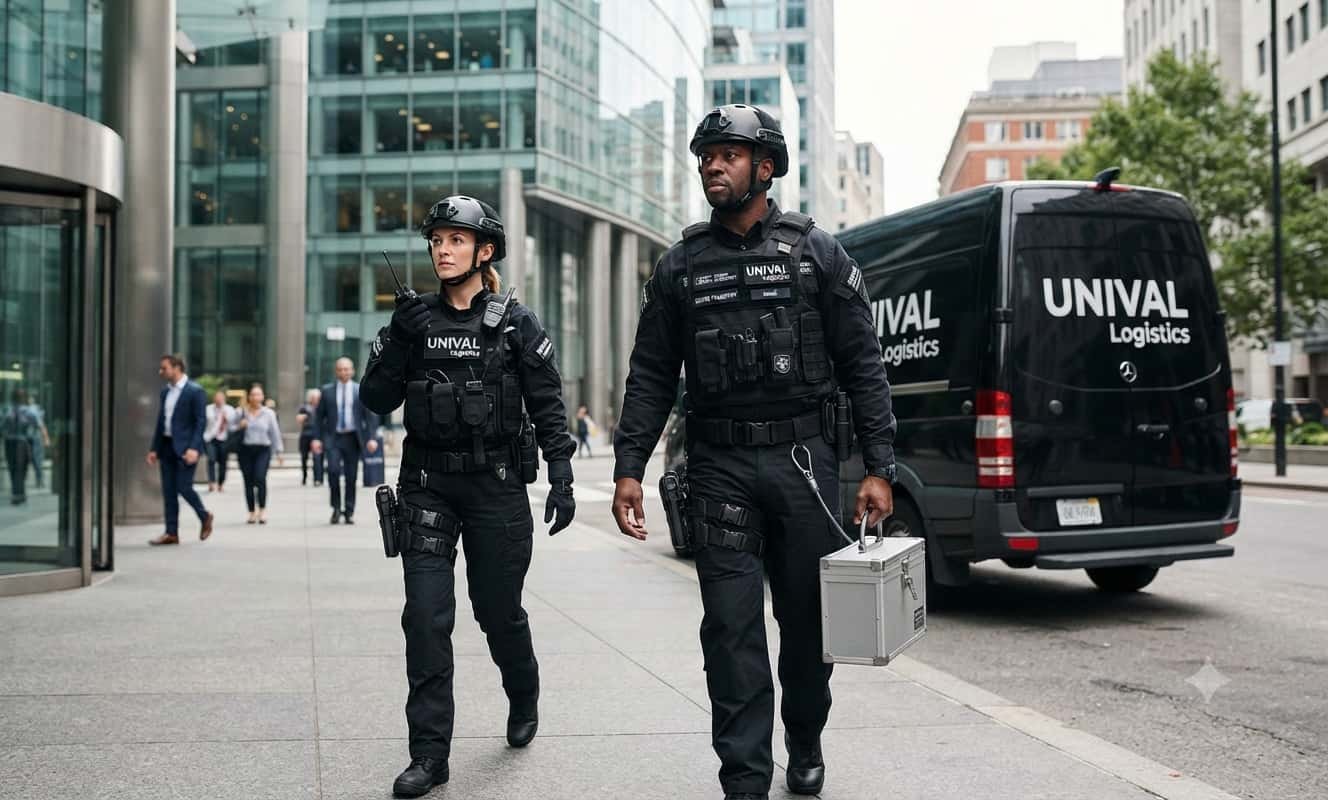
An armored courier service can provide additional security measures for eligible shipments. Depending on the provider and service, these may include protected vehicles, trained personnel, controlled collection, restricted access, route procedures and documented handovers. The exact arrangements vary, so customers should confirm the services offered and the goods accepted before booking.
UNIVAL Logistics helps customers consider the risks involved in moving valuable goods and identify suitable shipping arrangements. The right solution depends on the shipment’s value, destination, security needs, insurance requirements and delivery conditions.
Overview
Every shipment has a different level of risk. A routine parcel containing ordinary merchandise may be suitable for a standard carrier. A consignment containing valuable jewelry, cash, precious metals or sensitive business assets may need additional safeguards.
Businesses should assess more than transportation speed when choosing a shipping method. They should consider who collects the goods, how access is controlled, how the shipment is protected during transit and how the recipient’s identity is confirmed. These details can make a significant difference to shipment accountability.
Across the United States, businesses may arrange secure transportation in commercial centers such as Los Angeles, New York, Miami, Chicago, Dallas, Houston, Philadelphia, Atlanta, Las Vegas, San Francisco, Boston, Newark and Northern New Jersey. Requirements can vary by route, item type and local operating conditions. UNIVAL Logistics encourages customers to assess each shipment individually rather than assuming that one delivery method suits every situation.
Key Takeaways
- Standard parcel delivery may not offer enough protection for certain valuable or sensitive goods.
- Armored transportation can add security through controlled collection, protected vehicles and documented handovers.
- Cash, jewelry, precious metals and sensitive assets may require specialized handling.
- Customers should verify provider credentials, service availability and item acceptance rules.
- Insurance terms, exclusions and claim procedures should be reviewed before dispatch.
- Delivery records and recipient verification improve accountability.
- UNIVAL Logistics can help customers assess shipment requirements and consider suitable logistics arrangements.
Quick Answer
Standard shipping may not be enough when goods have high financial value, strict security needs or serious consequences if lost. Consider protected transportation, controlled access, documented handovers and suitable insurance.
What Is an Armored Courier Service?
An armored courier service is a specialized transportation option designed to move selected valuable or sensitive goods with additional security controls. Depending on the provider, it may use protected vehicles, trained security personnel, controlled collection procedures and documented delivery processes.
These services are commonly associated with cash in transit, bank deposits, precious metals, jewelry and other valuable assets. Some providers also handle sensitive business materials or specialized consignments, subject to their operating permissions and acceptance policies.
The purpose is to reduce exposure to theft, unauthorized access and handling risks. It also creates a clearer record of responsibility during collection, transportation and delivery.
Not every shipment requires this level of protection. The decision should be based on the value of the goods, the route, the risk environment and the consequences of a loss. UNIVAL Logistics can help customers review these factors when considering a suitable transportation plan.
How It Differs from Standard Parcel Shipping
Standard parcel networks are designed to move a wide range of packages through collection points, sorting facilities, transport hubs and delivery routes. This approach is efficient for everyday shipping, but it can involve multiple handling stages and transfers.
Specialized secure transportation focuses more directly on controlling access and managing the movement of sensitive goods. Depending on the service, the process may include a scheduled collection, a defined chain of custody, restricted handling and a verified handover to the intended recipient.
The key difference is not simply the vehicle. It is the level of control applied throughout the journey. A secure shipment plan should explain who is responsible for the goods at each stage and what procedures apply if an unexpected event occurs.
When Standard Shipping Isn’t Enough
There are several situations where ordinary parcel delivery may not meet a shipment’s security requirements. Businesses should consider a more controlled solution when the goods are difficult to replace, attract a high level of attention or require strict accountability.
1. Transporting Cash and Financial Assets
Cash collections, bank deposits and business funds can carry significant security risks. Retailers, financial institutions and other organizations may need scheduled collections and documented transfers to reduce the risks associated with handling and moving cash.
Cash transportation requires careful planning. Businesses should confirm collection procedures, authorized personnel, delivery arrangements and applicable legal requirements. They should also understand what protection applies if funds are lost or an incident occurs.
For these shipments, a standard parcel service is generally not an appropriate substitute for a purpose-designed cash transportation arrangement.
2. Moving Jewelry, Watches and Precious Metals
Jewelry, luxury watches, gold, silver and other precious materials can be attractive targets because they may have a high value relative to their size. Their compact nature can make secure handling and controlled delivery especially important.
Businesses sending these goods should consider discreet packaging, accurate item records, appropriate insurance and reliable recipient verification. They should also check whether the selected provider accepts the specific goods and whether special handling conditions apply.
An armored courier service may be worth considering when the shipment’s value or risk profile requires additional protection beyond ordinary parcel handling.
3. Shipping Sensitive Business Assets
Some business shipments contain more than products for sale. They may include confidential documents, valuable prototypes, specialist equipment or materials that are essential to business operations.
A delivery failure could lead to financial loss, missed deadlines or disruption. Businesses should assess whether the shipment needs restricted access, scheduled delivery, a named recipient or additional chain-of-custody documentation.
The right transportation plan should reflect the consequences of loss as well as the financial value of the contents.
4. Handling High-Risk or Time-Sensitive Deliveries
Some shipments need a more controlled journey because of their destination, timing or operating environment. A business may need a planned collection, a direct delivery arrangement or a specific handover procedure.
However, a faster service is not automatically a more secure service. Customers should compare the actual security measures, staff procedures and delivery controls offered. They should also confirm that the provider can support the required route and schedule.
How Secure Transportation Protects Valuable Goods
Security depends on a series of controls rather than one feature. A protected vehicle can be useful, but the collection process, staff procedures, communication and delivery verification also matter.
Controlled Collection and Access
A secure process begins before the goods leave the sender’s premises. Collection details should be agreed in advance, including the authorized handover contact, collection time and shipment description.
Access to the goods should be limited to approved personnel. Businesses should confirm how the provider verifies collection staff and records the transfer of responsibility. Clear procedures reduce confusion and help establish accountability.
Protected Transportation
Depending on the service, secure transportation may involve vehicles designed to provide additional physical protection. Providers may also use operational procedures to control access to the vehicle and manage the movement of goods.
Customers should ask what protection is actually included. Vehicle features, personnel arrangements and route procedures differ between providers. Avoid assuming that every service described as secure or armored offers the same level of protection.
Chain of Custody and Documented Handover
A chain of custody records who has responsibility for a shipment at each stage. It can include collection details, transfer records, shipment identification and recipient confirmation.
This documentation is particularly useful for cash, jewelry, precious metals and other valuable goods. If a question arises, the records can help establish when the shipment was collected, who handled it and whether the intended recipient accepted delivery.
Delivery Verification
The final handover is an important security stage. The sender should know who is authorized to receive the goods and what confirmation will be provided.
Depending on the shipment, this may involve identity checks, signatures, delivery records or other agreed procedures. Businesses should avoid unclear instructions that allow valuable goods to be left unattended or passed to an unauthorized person.
How to Choose the Right Secure Courier Provider
Choosing a provider requires more than comparing prices. Businesses should review the provider’s experience, operating procedures, service coverage and ability to handle the specific goods.
Check Credentials and Service Scope
Ask whether the provider has the required licenses, permissions and insurance for the services it offers. Requirements can vary according to the goods, route and type of transportation. For cash or other regulated activities, confirm that the provider is authorized to perform the relevant work.
Check whether the provider accepts the item category, shipment value and destination. Some companies specialize in cash transportation, while others focus on valuables or secure business logistics. A provider’s general security claims do not prove that it can handle every type of shipment.
Review Security Procedures
Ask how collections are arranged, how staff are verified and how shipment transfers are recorded. Find out what delivery confirmation is available and how the provider communicates delays or incidents.
A professional provider should be able to explain its procedures clearly. Customers should understand what happens at each stage and who to contact if an issue occurs.
Confirm Insurance and Liability Conditions
Security measures and insurance serve different purposes. Secure transportation may reduce certain risks, but it does not automatically guarantee reimbursement if a shipment is lost or damaged.
Review the coverage limit, exclusions, deductibles and claim requirements. Confirm whether the policy covers the specific item and route. Also ask what evidence is required to support a claim and how quickly an incident must be reported.
UNIVAL Logistics encourages customers to review these details before confirming a shipment. Clear expectations help prevent misunderstandings about the level of protection provided.
Armored Courier Service and Shipping Insurance
Insurance is an important part of planning valuable transportation. However, customers should not assume that a secure vehicle or specialized courier automatically provides full-value coverage.
An armored courier service may include security procedures that reduce exposure to certain risks. Insurance is a separate matter governed by the applicable policy or contract. The coverage may depend on the item, declared value, route, packaging, service conditions and exclusions.
What Should Insurance Cover?
Before arranging transportation, confirm whether protection applies to loss, theft, damage or specific events only. Check the maximum payable amount and whether it reflects the supported value of the goods.
Some policies exclude certain item categories or circumstances. Others may require specific packaging, prior approval or additional documentation. A shipment may also have limits that differ from the sender’s expectations.
Keep Accurate Valuation and Shipment Records
Maintain invoices, purchase records, valuation documents and photographs. For jewelry, watches and electronics, record serial numbers or identifying details where available. For business shipments, connect the transportation record to the relevant order, inventory or transfer reference.
Keep copies of collection confirmations, handover documents and delivery records. If an incident occurs, follow the reporting instructions promptly and retain any relevant packaging or evidence.
Industries That May Need Specialized Secure Transportation
Different industries face different transportation risks. A suitable solution should reflect the type of goods, the business process and the level of accountability required.
Banks and Financial Institutions
Banks and financial organizations may need controlled movement of cash, deposits and other financial assets. Collection schedules, authorized personnel and documented transfers are important parts of the process.
Retail and Luxury Goods Businesses
Jewelry stores, watch dealers and luxury retailers may transport high-value products between stores, service centers, trade events and customers. Discreet handling, item records and recipient verification can help reduce avoidable risks.
Precious Metals and Bullion Businesses
Gold, silver and other precious materials require careful planning because of their value and handling requirements. Businesses should verify that the provider accepts the material and can meet the relevant security and insurance conditions.
Healthcare and Specialist Equipment Providers
Some medical and technical equipment is expensive, sensitive or essential to operations. These shipments may need protective packaging, controlled access and reliable delivery coordination. The provider should confirm that it can meet any special handling requirements.
Corporate and Professional Services
Organizations may move confidential documents, sensitive business assets or materials that require controlled delivery. A documented handover can help demonstrate that the shipment reached the correct recipient.
How UNIVAL Logistics Helps Businesses Plan Secure Shipping
Every valuable shipment deserves a transportation plan that reflects its specific risks. UNIVAL Logistics helps customers consider the type of goods, shipment value, handling needs, destination and delivery requirements before choosing an appropriate logistics arrangement.
The planning process should begin with a clear description of the goods and the reason additional security may be needed. Customers can then review collection arrangements, packaging, documentation, delivery controls and applicable insurance conditions.
For shipments that require armored transportation, customers should confirm service availability, provider authorization, item acceptance and the exact security measures included. UNIVAL Logistics can help customers discuss their requirements and identify suitable options where available. The specific service, route and coverage must be confirmed before booking.
A cost-effective solution should balance protection, reliability and the actual needs of the shipment. Choosing the lowest initial price may not provide good value if the service lacks suitable handling or delivery controls. UNIVAL Logistics focuses on helping customers evaluate the complete logistics requirement so that decisions are based on practical value and service suitability.
Common Mistakes to Avoid
One mistake is assuming that all secure courier providers offer identical services. The term secure transportation can describe different procedures, vehicle features and levels of protection. Ask for clear details before making a decision.
Another mistake is overlooking insurance. A shipment may receive additional physical security but still have limited coverage. Review the policy or contract and confirm the protection that applies to the actual goods.
Poor documentation can also create problems. Without accurate item descriptions, valuation evidence and handover records, it may be harder to investigate a loss or support a claim.
Businesses should also avoid unclear collection and delivery instructions. Confirm the authorized contacts, appointment details and recipient requirements before dispatch. Finally, do not assume that a provider can transport restricted or regulated goods without prior approval.
How Much Does an Armored Courier Service Cost?
The cost of secure transportation depends on the shipment and the level of protection required. Prices may vary according to distance, collection arrangements, vehicle requirements, personnel, delivery schedule, item value and insurance conditions. Some providers may quote per trip, while others may use contract pricing for recurring services.
The main cost considerations include:
- Transportation distance and route: The collection and delivery locations, journey length and route requirements can affect the overall charge.
- Vehicle and security requirements: Specialized vehicles or additional security arrangements may increase the service cost.
- Personnel and collection time: The number of personnel, scheduled collection windows and time required for handover may affect pricing.
- Shipment type and value: Cash, precious metals, jewelry and specialist assets may require different handling and acceptance procedures.
- Insurance and liability protection: Available coverage, declared value, exclusions and policy conditions may affect the total cost.
- Additional services: Scheduled collections, recurring routes, special delivery arrangements and detailed documentation may involve additional fees.
For an accurate quotation, provide the shipment description, value, collection and delivery locations, preferred schedule and any special handling requirements. Compare the complete service rather than the base transportation charge alone. UNIVAL Logistics can help customers discuss their logistics needs and identify relevant pricing considerations.
Important Disclaimer
All cost prices and pricing information should be treated as baseline estimates, not guaranteed quotations. Actual charges are subject to market fluctuations, supplier changes, vehicle and personnel requirements, route conditions and variable logistics fees. Insurance costs and coverage availability may also vary according to the shipment and applicable terms. Contact UNIVAL Logistics for the latest and most accurate prices, service availability and shipment-specific guidance before booking.
Final Thoughts
Standard parcel delivery is suitable for many everyday shipments, but it may not provide enough control for cash, precious metals, jewelry, sensitive assets and other valuable goods. These consignments may require planned collections, restricted access, secure transportation, documented handovers and suitable insurance.
The best solution depends on the shipment’s value, route, handling requirements and delivery risks. Businesses should verify provider credentials, understand service limitations and confirm coverage before dispatch.
When ordinary shipping does not meet the required level of protection, consider a more controlled logistics arrangement. UNIVAL Logistics can help customers review their requirements and discuss suitable options for valuable and sensitive shipments. Careful planning supports better accountability, clearer expectations and more reliable transportation.
Frequently Asked Questions
1. What is an armored courier service?
It is a specialized transportation option for selected valuable or sensitive goods. Depending on the provider, it may include protected vehicles, trained personnel, controlled collection, restricted access and documented delivery procedures.
2. When should a business use armored transportation instead of standard shipping?
Consider it when a shipment contains cash, precious metals, valuable jewelry or other goods that require additional security and accountability. It may also be appropriate when the consequences of loss are especially serious.
3. What items can armored couriers transport?
Accepted goods vary by provider. Some services handle cash, bank deposits, precious metals and jewelry. Others may accept selected sensitive business assets. Always confirm item eligibility, value limits and any required documentation before booking.
4. Does armored transportation include insurance?
Not automatically. Security arrangements and insurance coverage are separate considerations. Ask the provider what liability or insurance applies, review exclusions and confirm whether the coverage is sufficient for the shipment’s value.
5. Is armored transportation safer than standard parcel delivery?
It may provide additional security controls for eligible high-risk goods. However, the level of protection depends on the provider’s vehicles, staff procedures, access controls and delivery process. Review the actual service details rather than relying on the service name alone.
6. How is the chain of custody maintained?
A chain of custody records the transfer of responsibility from collection to delivery. Depending on the provider, records may include collection confirmation, shipment identification, transfer details and recipient acknowledgment.
7. How much does secure courier transportation cost?
Pricing depends on distance, route, vehicle requirements, personnel, collection schedule, shipment type and insurance arrangements. Request a shipment-specific quotation that explains the included services and any additional charges.
8. Can jewelry and luxury watches be sent through secure transportation?
Some providers accept jewelry and watches, but acceptance rules and coverage conditions vary. Confirm the item’s eligibility, valuation requirements, packaging standards and delivery procedures before arranging transportation.
9. What should I check before choosing a secure courier provider?
Review the provider’s credentials, service coverage, item acceptance rules, security procedures, insurance conditions, delivery confirmation and incident reporting process. Make sure the provider can meet the specific requirements of your shipment.
10. Can UNIVAL Logistics help arrange secure transportation?
UNIVAL Logistics can help customers assess valuable shipment requirements and discuss suitable logistics options. Contact the company to confirm service availability, accepted goods, transportation arrangements, insurance considerations and pricing for your shipment.