
 By guestpostupmy@gmail.com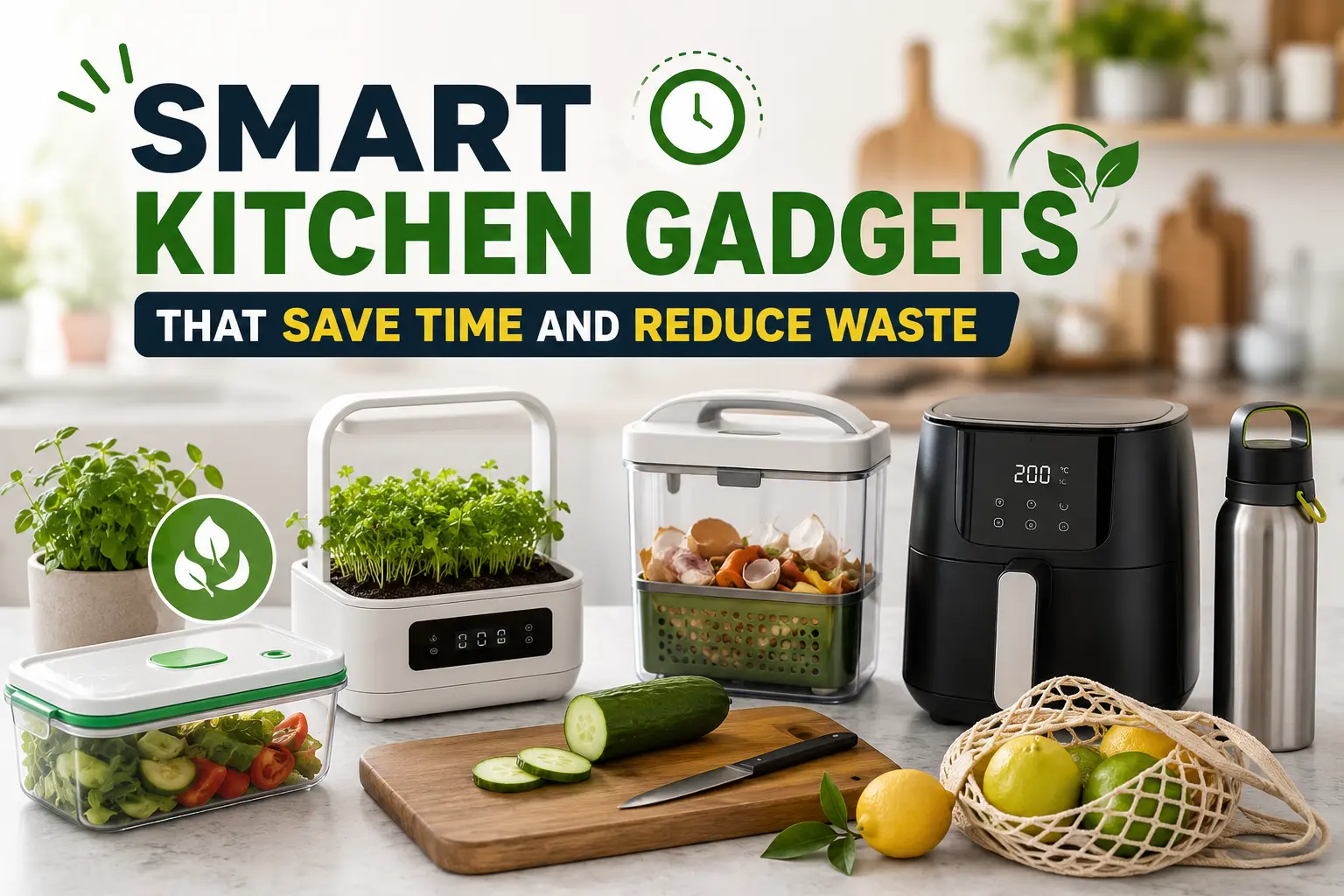
Modern kitchens are evolving from simple workspaces into efficient, data-driven environments. By integrating smart technology, homeowners can streamline daily culinary tasks while addressing the significant challenge of household food waste. These innovations provide actionable insights and automation, helping you manage ingredients better and spend less time on routine preparations.
Maximizing Efficiency Through Automation
The primary goal of smart kitchen technology is to remove the “friction” that leads to burnout and oversight. When you automate repetitive processes, you gain consistency in your cooking and reduce the likelihood of human error. Modern appliances now feature sensors and connectivity that allow for precision, ensuring that resources are used exactly when and where they are needed.
-
Smart Refrigeration: Equipped with internal cameras and inventory tracking, these fridges allow you to view contents remotely, preventing duplicate grocery purchases and helping you track expiration dates.
-
Precision Induction Cooktops: These surfaces heat cookware directly, offering faster boiling times and energy-efficient temperature regulation that prevents accidental burning.
-
Automated Composting Systems: Countertop devices turn food scraps into nutrient-rich compost in hours, diverting organic waste from landfills and providing value for your garden.
-
Connected Multi-Cookers: By syncing with mobile applications, these devices allow for remote temperature adjustments and automated shut-offs, ensuring meals are ready on time without overcooking.
-
Motion-Sensor Faucets: These fixtures eliminate water waste by activating only when needed, maintaining optimal flow and temperature without manual adjustments.
Practical Steps to Waste Reduction
Reducing waste often comes down to better storage and portion management. The following list highlights tools that bridge the gap between initial purchase and final consumption, ensuring that ingredients remain viable for as long as possible.
-
Vacuum Sealing Systems: Removing air from storage bags and containers significantly slows the oxidation process, extending the shelf life of proteins and produce by several days.
-
Digital Kitchen Scales: Measuring ingredients precisely avoids the “over-preparation” trap, ensuring you only cook exactly what is required for your household size.
-
Ethylene Gas Absorbers: Small, reusable pods placed in crisper drawers neutralize the gas that causes fruits and vegetables to ripen and spoil prematurely.
-
Self-Watering Herb Keepers: These gadgets provide consistent hydration for fresh herbs, preventing them from wilting and allowing you to harvest only what you need for a recipe.
-
Smart Labeling Systems: Reusable, date-coded tags for meal-prep containers provide a clear visual timeline, encouraging the consumption of leftovers before they lose quality.
Orchestrating a Sustainable Culinary Workflow
True efficiency is achieved when these gadgets work in harmony as part of a larger ecosystem. The most effective kitchens leverage data to adjust shopping and preparation habits based on real-world consumption. By utilizing apps that integrate with your appliances, you can receive alerts about items nearing their expiration date or suggestions for recipes that use up existing inventory. This proactive approach transforms the kitchen from a reactive space into a managed one, where every resource is accounted for and utilized effectively. Embracing these technologies not only simplifies your daily routine but also fosters a more mindful relationship with your household resources.
Conclusion
Smart kitchen gadgets represent a significant shift toward a more sustainable and time-efficient lifestyle. By automating routine tasks and providing better oversight of your ingredients, these tools help you minimize waste and regain valuable time. As technology continues to integrate further into the culinary space, the focus remains on empowering individuals to cook with greater precision and awareness.
Frequently Asked Questions
1. Do smart refrigerators actually save money?
Yes, by providing visibility into your inventory and tracking expiration dates, they help prevent overbuying and ensure you use what you already have, reducing overall food waste costs.
2. Is it hard to learn how to use smart kitchen appliances?
Most modern smart devices are designed with intuitive interfaces and mobile app integration, making them accessible even for those who are not particularly tech-savvy.
3. What is the most effective way to start reducing kitchen waste?
Begin with better storage solutions, such as airtight containers or vacuum sealers, as these provide the most immediate impact on ingredient longevity.
4. How do smart faucets help the environment?
They minimize water consumption through motion sensors that ensure water is only flowing while in active use, preventing leaks and wasteful habits.
5. Can composting machines handle all types of food scraps?
While most countertop composters handle fruits, vegetables, and coffee grounds well, you should always check the manufacturer’s specific guidelines regarding oils, bones, or dense fibers.