
 By guestpostupmy@gmail.com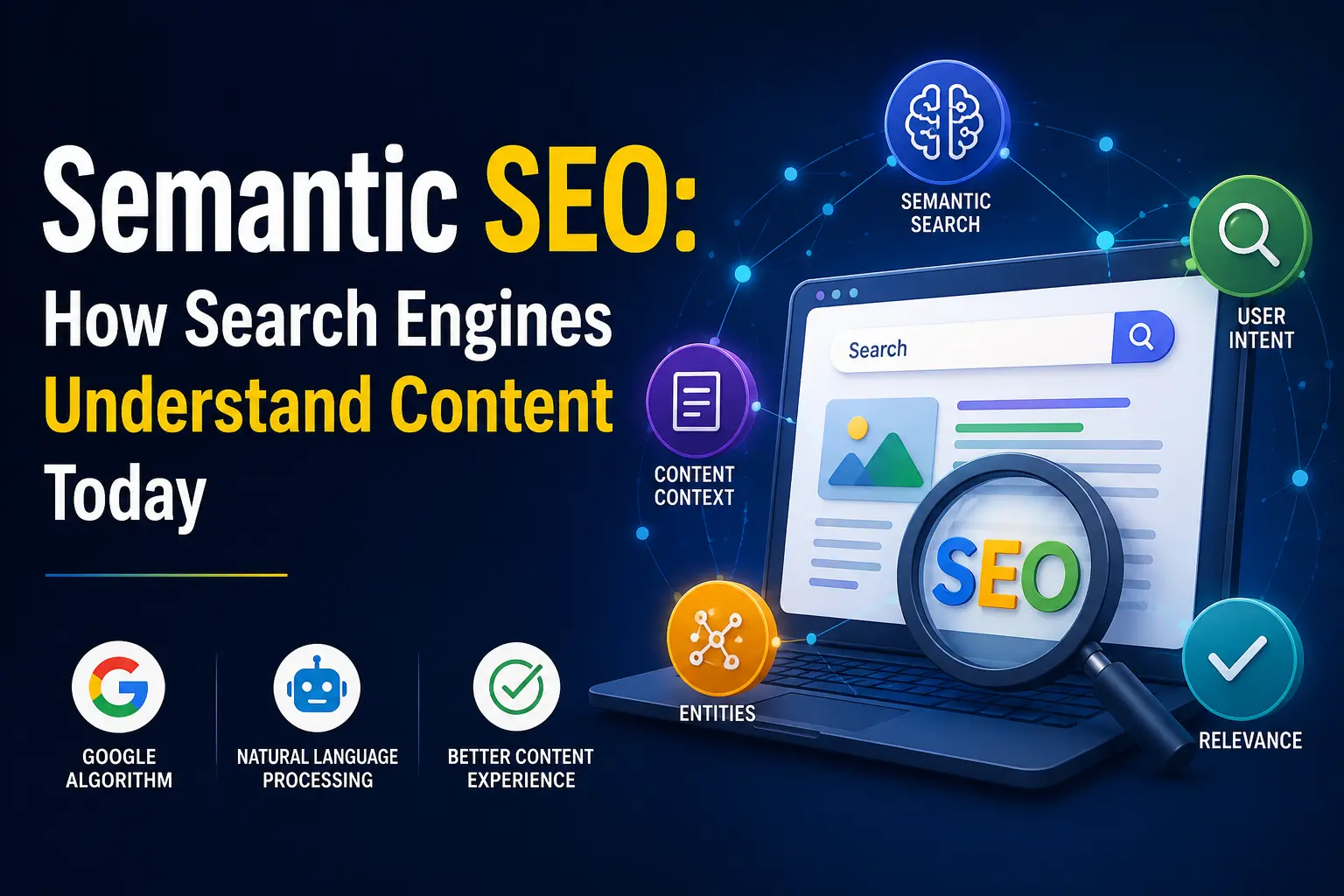
Semantic SEO represents a shift from keyword-based ranking to intent-based understanding. Modern search engines do not just scan for words; they interpret the meaning, context, and relationships between concepts. To remain competitive, your content must satisfy this evolved process by providing comprehensive answers that mirror how humans think and search.
Deciphering Search Intent and Entity Relationships
Search engines now use “entities”—people, places, things, or concepts—to map the web. When you create content, you are essentially establishing a relationship between your brand and these entities. If you write about “portable power,” the algorithm looks for supporting context like “battery capacity,” “solar input,” or “AC inverter” to confirm your expertise. If these concepts are missing, the search engine views your content as shallow.
-
Contextual Clues: Use language that naturally surrounds your primary subject to create a rich semantic map for the engine to follow.
-
Entity Mapping: Clearly define the subjects you discuss so the algorithm can categorize your content accurately within its global knowledge base.
-
Natural Language Processing: Align your writing style with conversational patterns, ensuring that the “why” and “how” are as prominent as the “what.“
-
Subject Breadth: Cover secondary and tertiary concepts related to your core topic to demonstrate holistic knowledge of the subject matter.
Structuring Content for Algorithmic Comprehension
Structuring your data allows search algorithms to parse your information with high precision. When you organize your site logically, you assist the search engine in understanding how different pages relate to one another, which directly improves your authority on specific topics.
-
Logical Hierarchy: Use headings (H2, H3, H4) that follow a linear progression of complexity, moving from broad concepts to specific details.
-
Structured Data: Implement schema markup to explicitly label your content types, such as articles, FAQs, or product specifications, for clearer interpretation.
-
Thematic Clustering: Link interconnected pages together so that the engine perceives your site as a singular, deep resource rather than a collection of random posts.
-
Concise Summaries: Place key answers at the beginning of sections, allowing the engine to easily extract them for feature snippets and AI-driven responses.
Future-Proofing Through E-E-A-T
The core of semantic search is trust. Because machines now prioritize content that is truly helpful, demonstrating Experience, Expertise, Authoritativeness, and Trustworthiness (E-E-A-T) is mandatory. It is no longer enough to be accurate; you must show that your perspective is backed by practical knowledge or direct experience.
When you write from a position of first-hand insight, you naturally use the nuances, terminology, and problem-solving examples that generic content lacks. This authenticity is the ultimate semantic signal. Search engines are getting better at identifying “fluff” compared to genuine, value-driven insights. By focusing on providing real solutions to specific user problems, you create the semantic signals that modern algorithms are trained to favor.
Conclusion
Semantic SEO is the bridge between human inquiry and machine intelligence. By mapping entities, structuring your content logically, and grounding your writing in authentic expertise, you ensure your site remains visible in a world dominated by AI overviews and voice-activated search. Shift your focus away from tricking the system and toward helping the user, and the rankings will naturally follow.
Frequently Asked Questions
What is an entity in SEO? An entity is a unique, well-defined concept or object—such as a specific company, product, or location—that a search engine recognizes and understands.
Does semantic SEO mean I should stop using keywords? No, keywords still matter, but they are now secondary to the broader semantic meaning and topical context of your content.
How does schema markup help with semantic understanding? It provides explicit instructions to search engines about what your content is, helping them classify it more accurately for specific search queries.
Why is natural language processing important for SEO? Because users now search in conversational phrases, content that matches that natural flow is more likely to be selected as a relevant answer.
How can I improve my topical authority semantically? Create clusters of content that cover every facet of a topic, ensuring each piece is deeply researched and internally linked to related subjects.