
 By guestpostupmy@gmail.com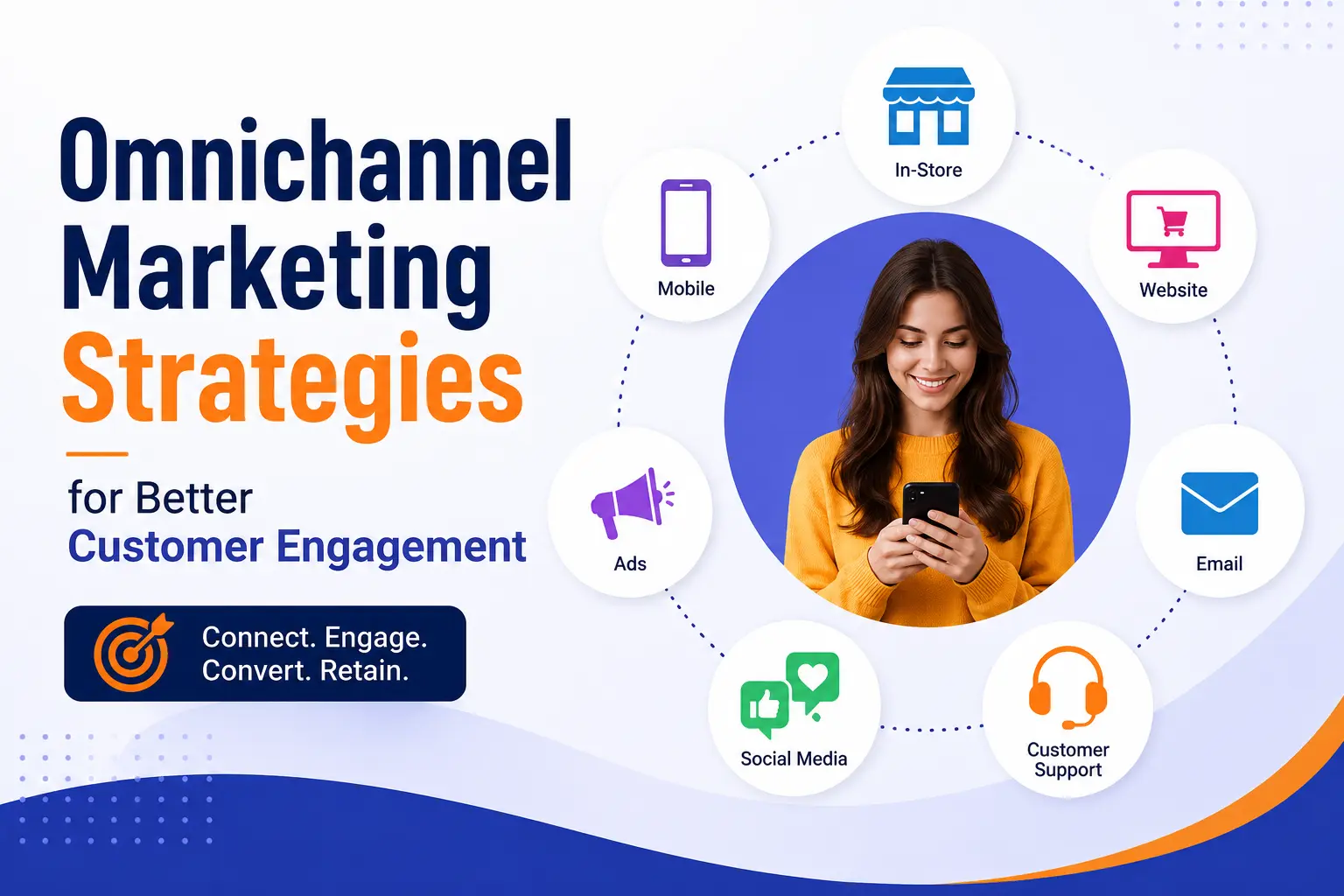
Omnichannel marketing creates a unified brand experience across every touchpoint, whether a customer interacts with you via a mobile app, social media, email, or a physical storefront. Unlike multichannel marketing, which treats each platform as an isolated silo, an omnichannel approach synchronizes data so the customer’s journey remains seamless, regardless of where they start or finish.
Integrating Data Across All Touchpoints
The foundation of a successful omnichannel strategy is a centralized data repository. By connecting your customer relationship management (CRM) software with your inventory and sales systems, you gain a 360-degree view of user behavior. This integration allows your team to recognize a returning customer instantly, providing them with personalized recommendations based on past purchases rather than generic marketing content.
-
Unified Customer Profiles: Aggregate interaction history from social clicks, email opens, and web browsing to build consistent profiles.
-
Real-Time Inventory Visibility: Ensure customers see accurate stock levels whether they are shopping on your website or walking into a brick-and-mortar location.
-
Cross-Channel Messaging: Use behavioral triggers to send a follow-up email if a user abandons a cart on your mobile app, creating a cohesive conversation.
-
Consistent Brand Identity: Maintain visual and tonal consistency across every platform to build subconscious recognition and trust.
Steps to Implement Seamless Customer Journeys
Executing an effective strategy requires a disciplined shift in how your internal teams communicate. You must move away from department-specific KPIs and toward shared objectives that prioritize the overall customer experience. Follow these steps to align your operations with the omnichannel goal.
-
Map the Customer Journey: Identify every interaction point a lead has with your brand, noting where friction occurs and where users tend to drop off.
-
Unify Your Tech Stack: Audit your current tools to ensure they can share information; if a platform cannot integrate with your central database, it creates a blind spot.
-
Personalize by Intent: Use data to deliver the right message at the right time—such as offering a local store coupon to someone who just viewed product pages on your site.
-
Enable Flexible Fulfillment: Offer options like “buy online, pick up in-store” or “order in-store, ship to home” to bridge the gap between digital and physical channels.
Optimizing for Mobile and Social Convergence
Mobile devices serve as the ultimate bridge between physical and digital worlds. Many customers now use their smartphones to compare prices while inside a store or to verify product availability before making a trip. Optimizing your mobile presence is not just about having a fast-loading website; it is about creating utility that aids the buying process at any moment.
Use social media not just as an advertising billboard, but as a direct channel for customer service and commerce. When users can initiate a support request through a social media message and have that conversation visible to your customer service team on other platforms, you eliminate the frustration of repeating information. This high level of connectivity turns casual followers into loyal advocates by meeting them exactly where they spend their time.
Conclusion
Omnichannel marketing is about removing the barriers between your business and the consumer. By integrating data, unifying your technical infrastructure, and focusing on a consistent journey, you provide a frictionless experience that encourages repeat engagement. When you treat every interaction as part of one long-term conversation, you earn the loyalty that drives sustainable business growth.
Frequently Asked Questions
What is the difference between multichannel and omnichannel? Multichannel means using several platforms independently, while omnichannel integrates those platforms so they share data and work together to form one continuous experience.
Do I need a physical store to use omnichannel strategies? No, you can be entirely digital; for example, you could sync your website, mobile app, and social media channels to ensure a user’s cart is identical on all three.
What is the biggest challenge in omnichannel marketing? Breaking down organizational silos is the hardest part, as marketing, sales, and IT teams often operate with different goals and software.
How do I track success in an omnichannel approach? Look at metrics like Customer Lifetime Value (CLV) and retention rates rather than just individual channel conversion, as these reflect the total health of your relationship with the customer.
Is omnichannel marketing expensive to start? It requires an upfront investment in software integration, but it reduces acquisition costs over time by making your existing customer base more valuable and engaged.