
 By user
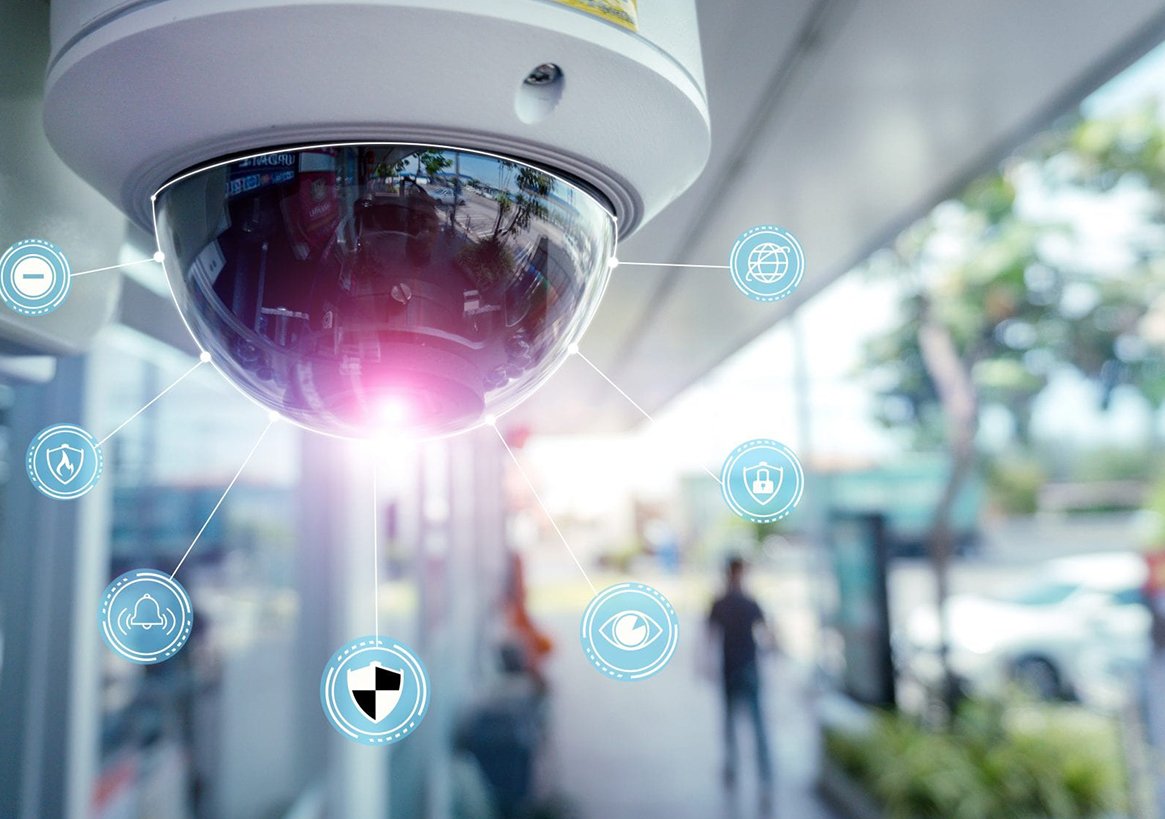
Security surveillance is an important requirement for many commercial, residential and industrial properties. In Dubai, businesses and property owners must consider applicable security regulations when planning CCTV installations. Understanding these requirements helps organizations select suitable equipment and establish surveillance systems that meet their operational and compliance needs. When researching the best SIRA approved CCTV companies in Dubai, it is important to consider technical expertise, regulatory knowledge and professional installation practices.
The Security Industry Regulatory Agency (SIRA) plays an important role in regulating security services and systems in Dubai. Its requirements help establish standards for security equipment, surveillance installations and related services. Businesses should understand the applicable requirements before starting a CCTV project.
What Is SIRA and Why Is It Important?
SIRA stands for the Security Industry Regulatory Agency. It regulates various aspects of the private security industry in Dubai and establishes requirements for security-related activities.
For properties that require regulated CCTV surveillance, following the applicable SIRA guidelines is an important part of the installation process. These requirements may cover equipment specifications, camera positioning, recording arrangements and other technical considerations depending on the property and project.
A properly planned surveillance system can help organizations meet relevant requirements while improving their ability to monitor and protect their premises.
Why SIRA-Compliant CCTV Installation Matters
Installing CCTV cameras without considering applicable regulations can create compliance difficulties for property owners. A planned installation helps ensure that the surveillance infrastructure is appropriate for the intended application.
Some important considerations include:
- Regulatory compliance: Understanding applicable SIRA requirements before selecting and installing surveillance equipment.
- Camera coverage: Identifying important areas that require monitoring.
- Equipment suitability: Selecting cameras and recording devices that meet project specifications.
- Recording arrangements: Planning suitable recording and storage infrastructure.
- Professional documentation: Maintaining relevant technical information and installation records.
These considerations help create a surveillance system that supports both security operations and applicable regulatory requirements.
Important CCTV System Components
A CCTV surveillance system consists of multiple components that work together to capture, transmit, record and manage video footage.
CCTV Cameras
Cameras are the primary components of any surveillance system. Depending on the application, businesses may use dome cameras, bullet cameras, IP cameras or PTZ cameras. Camera selection should consider resolution, viewing angle, lighting conditions and installation location.
Network Video Recorders
Network Video Recorders (NVRs) are commonly used with IP surveillance systems. They receive video streams from network cameras and manage recording and playback functions.
Storage Devices
Video storage is an important part of CCTV planning. Storage capacity depends on the number of cameras, recording resolution, frame rate, compression settings and required retention period.
Network Infrastructure
IP-based surveillance systems require suitable network connectivity. Structured cabling, network switches and appropriate configurations help establish communication between cameras and recording equipment.
Monitoring Equipment
Monitoring stations allow authorized personnel to view live camera feeds and recorded footage. Depending on the system configuration, monitoring can also be supported through compatible computers and mobile devices.
Factors to Consider Before Installing a CCTV System
Every property has different security requirements. Therefore, CCTV installation should begin with proper planning rather than selecting cameras based only on price.
1. Property Assessment
A site inspection helps identify entrances, exits, reception areas, parking facilities and other locations that may require surveillance. The building layout should guide the camera placement plan.
2. Camera Coverage
Camera positions should be planned to provide suitable visibility of important areas. Potential blind spots, lighting conditions and physical obstructions should be considered during installation planning.
3. Equipment Selection
The selected cameras, recorders and supporting equipment should be suitable for the property’s requirements and applicable technical specifications.
4. Recording and Storage
Businesses should determine their recording requirements and select storage capacity accordingly. Proper configuration helps maintain access to recorded footage when required.
5. Testing and Maintenance
Once installation is complete, the system should be tested to verify camera performance, recording, playback and connectivity. Periodic maintenance helps identify technical issues and maintain reliable operation.
How to Choose a Reliable CCTV Installation Company in Dubai
Choosing an experienced security systems provider is an important step in planning a compliant CCTV project. Businesses should evaluate the provider’s technical knowledge, installation experience and understanding of applicable SIRA requirements.
Before selecting a company, consider the following factors:
- Experience with commercial and residential CCTV installations.
- Understanding of applicable SIRA regulations and project requirements.
- Knowledge of different CCTV camera technologies.
- Proper installation, configuration and testing procedures.
- Ability to provide maintenance and technical support.
- Clear project planning and documentation.
Businesses researching the best SIRA approved CCTV companies in Dubai should also verify the relevant company approvals and licensing status rather than relying only on advertising claims.
You can explore professional SIRA-approved CCTV solutions in Dubai to understand the importance of suitable surveillance equipment, installation practices and compliance requirements.
The Importance of Regular CCTV Maintenance
Installing a surveillance system is only the beginning. Regular maintenance is necessary to keep cameras, recording equipment and network connections functioning properly.
Maintenance activities may include cleaning camera lenses, checking power connections, reviewing recording performance, inspecting storage devices and updating compatible system firmware. Technicians can also check camera positioning and network connectivity to identify potential problems.
A properly maintained CCTV system helps businesses maintain consistent surveillance coverage and reduce unexpected equipment issues.
Conclusion
SIRA compliance is an important consideration for CCTV surveillance projects in Dubai. Understanding the applicable requirements, selecting suitable equipment and working with experienced installation professionals can help property owners establish effective security infrastructure.
Before choosing a CCTV provider, businesses should evaluate technical expertise, regulatory knowledge, installation quality and ongoing maintenance support. Careful planning helps create surveillance systems that support property protection, operational monitoring and relevant compliance requirements.