
 By guestpostupmy@gmail.com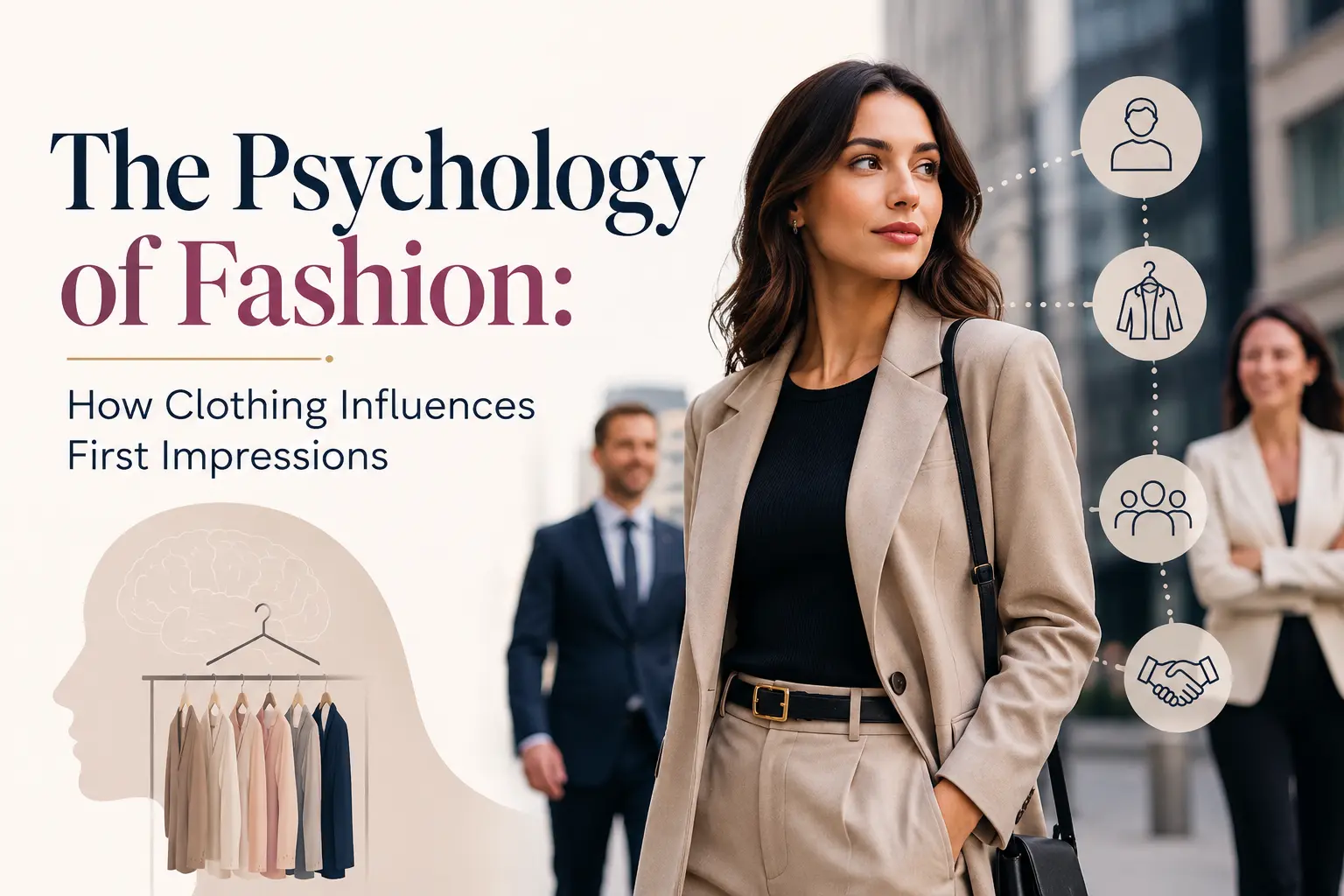
We form opinions about others within seconds of meeting them, often before a single word is exchanged. While facial features and body language play a role, the clothes we choose to wear serve as one of the most immediate and impactful signals we send to the world. Fashion acts as a non-verbal language, conveying character, professional status, and social intentions with surprising accuracy.
How Attire Signals Personality and Competence
Observers use “thin-slice” judgments to evaluate clothing choices as a proxy for information they do not yet have. This process is largely subconscious; our brains categorize people based on visual cues to navigate social interactions efficiently. Your attire provides the context for how others initially categorize your capabilities and personality.
-
Formality and Intent: A well-pressed, structured outfit signals a sense of seriousness and respect for the setting. Conversely, mismatching or neglected clothing can be interpreted as a lack of attention to detail, regardless of the brand’s price.
-
The Power of Context: A suit may signal authority in a law firm but could communicate rigidity or poor social awareness in a creative studio. The “correct” outfit is always relative to the environment’s expectations.
-
Status and Credibility: People often associate high-quality materials and tailored fits with competence and reliability. When an individual is dressed appropriately for their specific role, they are frequently viewed as more credible and trustworthy.
-
Non-Verbal Identity: Clothing choices allow individuals to broadcast their values, cultural affiliations, and social roles. These visual signals help observers instantly identify whether someone belongs to a specific group or shares their professional mindset.
Enclothed Cognition: The Internal Impact
Clothing does more than influence how others see you; it fundamentally changes how you think and act. This psychological phenomenon, known as “enclothed cognition,” suggests that we internalize the symbolic meaning of what we wear. When you put on a piece of clothing that you associate with a specific trait—such as power, focus, or relaxation—you are likely to embody that quality.
-
Enhanced Focus: Wearing structured, professional attire can trigger a mindset of attentiveness, helping you maintain concentration during demanding tasks.
-
Confidence Boosts: When you wear an outfit you feel looks good and suits your identity, your posture improves, your speech becomes more confident, and you are more likely to participate actively in social or professional settings.
-
Behavioral Alignment: Just as a uniform dictates the conduct of the person wearing it, your daily wardrobe choices can subtly guide your behavior to match the “role” of the garment.
-
Mood Regulation: Many individuals use clothing as a tool to either illustrate or enhance their mood, choosing colors and silhouettes that provide a sense of comfort or an emotional lift.
Dressing with Intention
Viewing your wardrobe through the lens of psychology turns getting dressed into a strategic tool rather than a daily chore. When you dress with intention, you align your external presentation with your internal goals. This does not require expensive branding or rigid adherence to trends; it simply requires understanding the message your choices send.
A practical principle for managing impressions is to dress slightly above the expectation of your environment. This demonstrates effort and self-awareness without appearing out of touch. By choosing outfits that support the professional or social identity you wish to project, you create a psychological anchor that reinforces your confidence and helps others form the accurate perception you desire.
Conclusion
Fashion is a potent psychological tool that influences both the observer’s perception and the wearer’s performance. By recognizing that our clothing acts as an immediate social signal, we can make more intentional choices that align with our goals. Whether you are aiming to command authority or project approachability, your wardrobe is your first, and often most enduring, introduction.
Frequently Asked Questions
What is the fastest way to improve a first impression through clothing?
Focus on fit and condition. Clothes that are well-tailored and clean consistently signal attention to detail, which is one of the most valued traits in professional settings.
Does “dressing for the job you want” actually work?
Yes. By adopting the dress code of a higher level of professional status, you signal that you belong in that environment, and you benefit from the internal confidence boost of enclothed cognition.
Can clothing change how I perform in a meeting?
Absolutely. Wearing structured or professional pieces often triggers a “business mindset,” leading to better focus, more assertive speech, and improved body language.
Is fashion-related impression management just about expensive brands?
No. Impression management is about intentionality. A mid-range, well-fitted outfit often signals more competence than an expensive, poorly fitted one.
What does it mean to dress for the “context” of a situation?
It means aligning your formality and style with the expectations of the environment. Dressing for context is about showing respect for the space you are entering, whether it is a formal office or a casual networking event.