
 By user
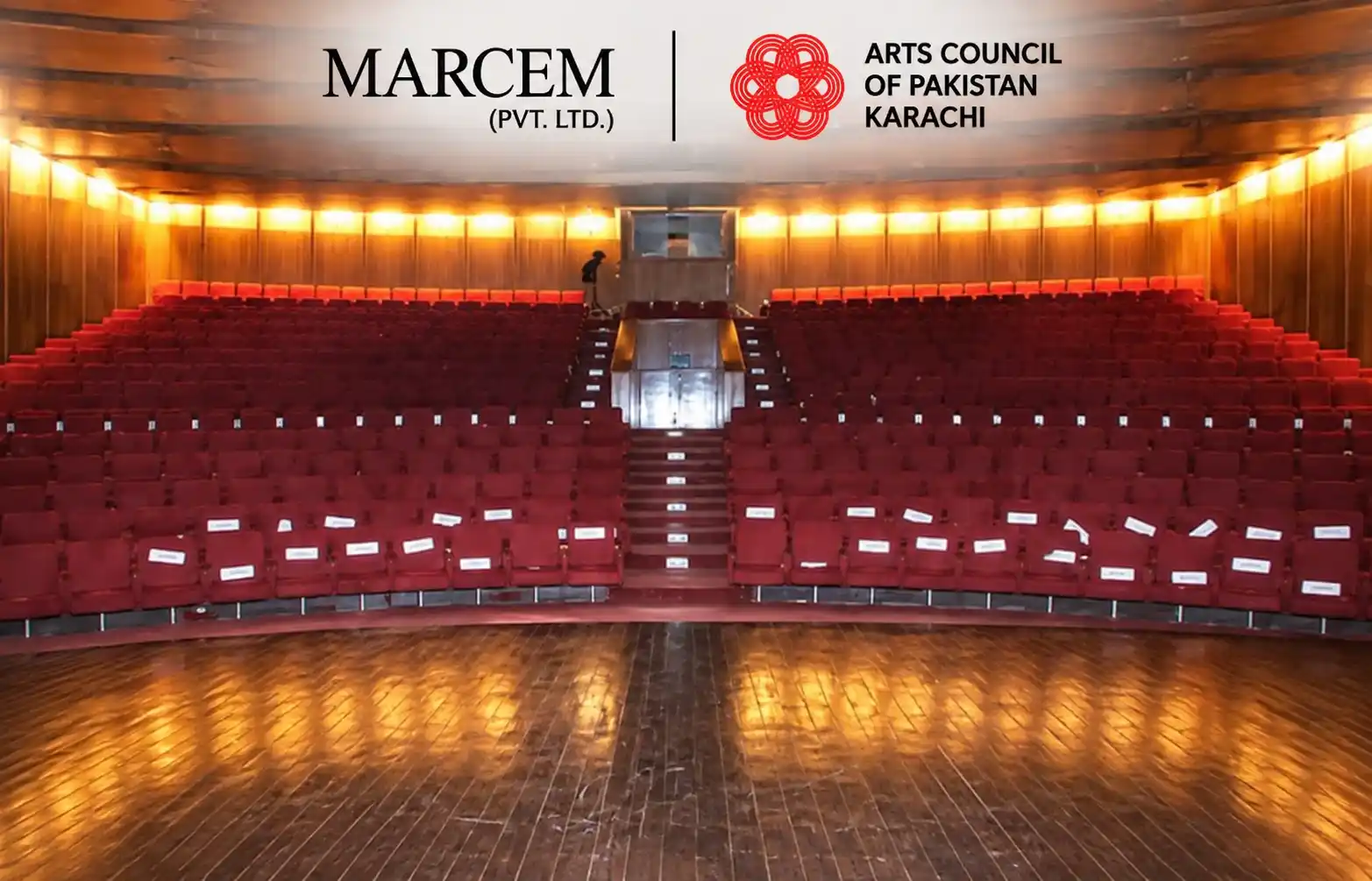
A successful cultural event is not defined by the performance alone. The way guests receive event information, enter the venue, find their seats, follow the programme and interact with the surroundings also shapes their overall experience.
For organisers planning theatre performances, music programmes, literary gatherings, art showcases, cultural festivals and public celebrations, audience experience should be considered from the earliest planning stage. Even a strong programme can lose its impact when registration is confusing, sound quality is poor, seating is uncomfortable or guests do not know where to go.
Karachi has a diverse cultural and creative event environment, making thoughtful event organisation particularly important for programmes that bring together artists, performers, speakers, institutions and audiences.
Improving the live event audience experience requires more than managing guests on the event day. It involves coordinating communication, venue arrangements, production, logistics, hospitality and on-site operations through a clear event plan.
1. Understand the Audience and Purpose of the Event
The first step in planning an effective audience experience is understanding who the event is designed for and what the programme aims to achieve.
Different cultural programmes attract different audiences. A theatre performance may appeal to people interested in drama and performing arts, while a literary discussion may attract students, writers, researchers and readers. A music programme may have different seating, sound and crowd-management requirements.
Before selecting a venue or preparing the event layout, organisers should establish:
- The purpose and theme of the event
- The expected number of attendees
- The audience profile and age groups
- Whether attendance is public, invitation-based or ticketed
- The programme duration and number of sessions
- Any special assistance or accessibility requirements
- The expected arrival and departure patterns
These details help determine the resources needed for registration, guest reception, seating, technical production and event-day staffing.
For example, an invitation-based cultural gathering may require a guest-list verification process, while a public performance may need ticket scanning, queue management and clear entry instructions.
A well-defined audience profile helps the organising team make decisions based on actual requirements rather than assumptions.
2. Choose a Venue That Matches the Event Format
Venue selection directly affects how an audience experiences a live programme. A space should not be selected only because it looks impressive or has a recognisable name. It must also support the programme’s practical requirements.
An auditorium may be appropriate for theatre, lectures and formal performances, while an exhibition space may be better suited to visual displays and visitor movement. Outdoor areas may support selected cultural programmes, subject to weather, sound, safety and venue restrictions.
When comparing venues, organisers should evaluate:
- Available event spaces and approved capacities
- Stage dimensions and audience sightlines
- Seating configuration and comfort
- Sound conditions and technical capabilities
- Entrance and exit arrangements
- Restroom and guest facilities
- Accessibility and assistance arrangements
- Parking and transport considerations
- Setup, rehearsal and dismantling permissions
For organisers exploring cultural spaces in Karachi, the Arts Council of Pakistan Karachi is one venue option worth researching. The suitability of a particular space depends on the event format, audience size, available facilities, booking conditions and permissions confirmed with venue management.
A venue inspection is strongly recommended before making a final decision. Organisers should assess the actual space rather than relying only on photographs or general descriptions.
3. Develop a Clear Event Communication Plan
Audience experience begins before guests reach the venue. Confusing invitations, incomplete event announcements and inconsistent schedule updates can create unnecessary problems.
Every event announcement should communicate essential information in a clear and accessible format.
Include:
- Event title and description
- Date and programme start time
- Venue name and location
- Entry and registration instructions
- Ticket or invitation requirements
- Programme schedule, where available
- Contact information for event-related questions
- Any relevant attendance restrictions
For digital invitations, check that maps, registration links and contact details work properly on mobile devices.
If the event includes multiple sessions, workshops or performances, provide a simple schedule that allows attendees to understand when each activity will take place.
Organisers should also establish a process for communicating last-minute changes. If the starting time, entrance arrangements or programme schedule changes, attendees should receive the updated information through the same communication channels used for the original announcement.
Consistent communication reduces uncertainty and helps guests arrive prepared.
4. Organise Registration and Guest Reception
The arrival process is one of the first operational tests of an event. A poorly organised entrance can lead to queues, confusion and delays, especially when a large number of guests arrive within a short period.
Registration arrangements should be designed around the expected attendance and event format.
Depending on the programme, the reception setup may include:
- A clearly identified entrance
- Separate registration counters where necessary
- Printed or digital guest lists
- Ticket or invitation verification
- Designated staff for guest assistance
- A procedure for resolving registration discrepancies
- Clear directions towards the seating or event area
For larger programmes, organisers should estimate how many guests may arrive during the same time window. This helps determine the number of registration stations and staff members required.
Special arrangements may also be needed for performers, speakers, invited guests, sponsors and event representatives. These arrangements should be coordinated in advance with the venue and relevant event personnel.
A registration team should receive clear instructions about guest categories, entry procedures and escalation contacts. This prevents different staff members from giving conflicting information.
5. Design Seating Around Visibility and Comfort
A seating plan should support the programme and allow the audience to follow it comfortably.
For a theatre performance, guests need suitable sightlines towards the stage. A seminar may require a layout that supports presentations and note-taking, while a musical programme may need additional space for technical equipment and performers.
Before finalising the seating arrangement, organisers should consider:
- Approved seating capacity
- Visibility from front, middle and rear sections
- Side seating and potential viewing obstructions
- Unobstructed aisles and exit routes
- Reserved seating requirements
- Accessible seating arrangements
- Space for cameras and technical equipment
- Guest movement during breaks
The layout should be checked against the venue’s approved capacity and safety requirements. Adding extra chairs or changing the arrangement without approval can create problems for both guests and venue personnel.
For events with reserved seating, the ticketing or invitation information should clearly explain how seats will be allocated. If seating is on a first-come basis, the entry instructions should communicate this in advance.
A practical seating plan helps reduce confusion and improves the audience’s ability to focus on the programme.
6. Plan Stage Design, Sound and Lighting
Technical production has a major influence on live event quality. Audiences may not notice every production detail when everything works properly, but they quickly notice unclear sound, poor lighting and obstructed stage views.
The production plan should be developed according to the event’s content and venue conditions.
Sound and audio requirements
Sound planning may include:
- Microphones for speakers and performers
- Wireless microphone coordination
- Speaker placement and sound coverage
- Audio mixing and monitoring
- Music playback and presentation audio
- Technical rehearsal and sound checks
For a literary discussion, every speaker should be clearly audible throughout the seating area. A music programme may require a more detailed sound setup, depending on the performers, instruments and performance format.
Stage and visual arrangements
The stage should provide a suitable environment for performers, presenters and speakers. Consider stage dimensions, entrances, exits, podium placement, backdrop requirements and any display equipment.
Visual production may include:
- Stage backdrop and event branding
- LED screens or projection systems
- Presentation graphics
- Stage lighting
- Sponsor visibility, where applicable
- Camera and photography positions
Lighting should support the programme without distracting the audience. Equipment positioning should also preserve sightlines and keep access routes clear.
All installation, rigging, power and technical arrangements must be discussed with the venue and approved before setup.
7. Coordinate the Programme and Stage Transitions
An event schedule should account for more than the advertised starting and ending times. Every performance, speaker introduction, technical change and audience break requires sufficient preparation.
A detailed programme schedule may include:
- Venue access and production setup
- Technical inspection and sound check
- Registration and guest arrival
- Audience seating
- Opening remarks
- Main programme or performances
- Intermission, if required
- Additional sessions or presentations
- Closing remarks
- Guest departure and venue clearance
A stage manager or designated programme coordinator should monitor the schedule and communicate with the relevant teams.
For example, the next performer should be ready before the previous segment ends. Microphones, presentation files and stage arrangements should be checked before they are needed.
Organisers should also allow reasonable transition time. A schedule that is too tight can create delays when performers, speakers or technical teams need additional preparation.
A clear run sheet gives the entire event team a shared understanding of what should happen and when.
8. Improve Guest Movement and Crowd Management
Audience movement should be planned throughout the event, not just at the entrance.
Guests may move between registration areas, seating sections, refreshment points, exhibition spaces and restrooms. Without clear arrangements, these movements can create congestion and interrupt the programme.
An audience movement plan should identify:
- Main entrance and exit routes
- Registration and waiting areas
- Seating access points
- Intermission and refreshment areas
- Routes for performers and technical personnel
- Areas where staff assistance may be required
- Emergency exits and venue-approved procedures
For events with large attendance, organisers may position ushers or guest-service staff at key locations. Their responsibilities should include providing directions, assisting guests and reporting operational concerns to the event coordinator.
Signage should be readable and placed where guests can make decisions about where to go. It should not obstruct venue information, safety notices or access routes.
Crowd management should always follow venue rules and applicable safety requirements. Organisers should confirm the approved capacity, emergency procedures and responsibilities with venue management before the event.
9. Consider Accessibility and Different Guest Requirements
An organised event should consider whether guests with different mobility and assistance needs can access and participate in the programme.
Accessibility arrangements must be discussed with the venue because facilities and access conditions may differ between spaces.
Before the event, organisers should check:
- Available step-free access
- Accessible seating options
- Entrance and exit arrangements
- Restroom access
- Clear circulation routes
- Signage visibility
- Availability of assistance when requested
If an attendee has requested a particular arrangement, the relevant team member should be informed before guests arrive.
For programmes involving speeches or presentations, organisers may also consider whether additional communication support is required by the audience.
It is important not to advertise accessibility facilities without verifying them. Accurate information helps guests make informed attendance decisions and allows organisers to prepare suitable assistance.
10. Manage Refreshments and Guest Hospitality
Hospitality is another important part of the overall event experience, particularly for programmes that extend over several hours.
The refreshments plan should reflect the event duration, audience size, schedule and venue permissions.
Depending on the programme, arrangements may include:
- Welcome refreshments
- Tea and coffee breaks
- Light snacks
- Working lunches
- Water stations
- Reserved hospitality for invited guests
The service timing should be coordinated with the programme so that refreshments do not interrupt important performances or presentations.
Organisers should also confirm whether catering is provided by the venue or whether external suppliers may be considered. Outside catering, food preparation, serving areas and cleanup arrangements should never be assumed; they must be approved by venue management.
The catering team should receive the expected guest count, serving schedule and any relevant dietary information in advance.
Well-planned hospitality supports guest comfort while keeping the programme on schedule.
11. Prepare a Contingency and Event-Day Response Plan
Even carefully planned events can experience unexpected changes. A speaker may arrive late, a presentation file may fail to open, or a technical issue may require a short pause.
The organising team should have a clear response process for common operational problems.
A contingency plan can cover:
- Technical support and backup equipment
- Alternative presentation files
- Communication contacts for key personnel
- Procedures for programme delays
- Guest updates in case of changes
- Supplier and venue escalation contacts
- Emergency procedures and responsible personnel
Every team member should understand who has the authority to approve programme changes and who communicates those changes to the audience.
For example, if a performance is delayed, the programme coordinator should inform the host and front-of-house team so that guests receive consistent information.
The purpose of contingency planning is not to eliminate every possible problem. It is to help the team respond in an organised and responsible manner.
12. Coordinate Suppliers and Event Personnel
Cultural events may involve several different service providers, including production teams, decorators, caterers, photographers, registration staff and technical operators.
When these suppliers work independently without a shared plan, the event can experience delays and conflicting instructions.
A central coordination plan should identify:
- Each supplier’s scope of work
- Setup and arrival timings
- Equipment and material requirements
- Access and loading arrangements
- Venue permissions
- Responsible contact persons
- Inspection and handover procedures
A supplier schedule should be shared with the relevant teams before the event. This helps prevent multiple suppliers from competing for the same setup area or arriving at unsuitable times.
The event coordinator should also confirm that any branding, stage structures, décor installations and technical equipment comply with venue policies.
Clear responsibilities and communication reduce operational confusion and support a more organised event environment.
13. Collect Audience Feedback After the Event
Audience feedback provides useful information about how the event was experienced and where improvements may be needed.
Organisers can use a short digital feedback form, post-event survey or direct comments from attendees.
Questions may cover:
- Ease of registration and entry
- Clarity of event information
- Seating and viewing comfort
- Sound and lighting quality
- Programme timing
- Venue access and facilities
- Guest assistance and hospitality
- Overall satisfaction
Feedback should be considered alongside observations from the event team.
For example, if guests repeatedly report difficulty finding the entrance, the next event may need better signage and clearer arrival instructions. If a programme regularly starts late, the organisers may need to review the registration schedule or stage-transition process.
A post-event review should also document supplier performance, technical issues, schedule changes and lessons learned.
This creates a practical reference for future programmes and helps organisers improve their event-planning processes over time.
14. Use a Practical Audience Experience Checklist
Before the event begins, the organising team should review the major arrangements against a single checklist.
Before the event
- Confirm the event purpose and target audience.
- Finalise the programme and expected attendance.
- Inspect the selected venue and event space.
- Confirm booking conditions and venue permissions.
- Prepare invitations and event announcements.
- Arrange registration and guest reception.
- Finalise the seating and stage layout.
- Coordinate technical production and suppliers.
- Confirm accessibility and guest assistance arrangements.
- Prepare the event-day schedule and contingency plan.
On the event day
- Inspect the venue before guest arrival.
- Test sound, lighting and presentation equipment.
- Check registration counters and guest lists.
- Confirm signage and guest movement routes.
- Brief ushers, coordinators and technical personnel.
- Monitor the programme schedule.
- Coordinate stage transitions and refreshments.
- Keep communication open with venue representatives.
- Follow approved safety and emergency procedures.
After the event
- Coordinate guest departure and venue clearance.
- Complete supplier and equipment checks.
- Collect audience feedback.
- Review the programme against the planned schedule.
- Document issues and improvements.
- Prepare a post-event report where required.
A checklist makes it easier to track responsibilities and identify incomplete arrangements before they affect the audience.
The Importance of Professional Event Coordination
A live cultural programme brings together several activities that must work in coordination. Venue arrangements, guest communication, stage production, sound, lighting, supplier management, hospitality and on-site operations all contribute to the final experience.
MARCEM Events provides event planning and coordination services for cultural, corporate and social programmes across Pakistan. Depending on the event brief and agreed scope, support can include venue coordination, stage and technical production, event décor, branding, catering, supplier management, guest coordination and on-site execution.
For events at a particular venue, the event plan must be developed around its available spaces, operating conditions and approved arrangements. Venue availability, facilities, booking terms and permissions should always be confirmed directly with the relevant management.
The most effective approach is to plan the complete audience journey rather than treating each event requirement as a separate task. When the organising team understands its responsibilities and works from a shared schedule, it becomes easier to deliver a well-coordinated programme and a positive experience for attendees.
Final Thoughts
Improving the audience experience at live cultural events requires attention to both the programme and the practical details surrounding it. Clear communication, suitable venue selection, organised registration, comfortable seating, reliable technical production, accessible arrangements and effective crowd management all play a role.
For event organisers in Karachi, planning these elements together can help reduce confusion, improve coordination and create a more welcoming environment for performers, speakers and guests.
A successful event is not simply one where the programme takes place. It is one where the audience can arrive with clear expectations, participate comfortably and leave with a positive impression of the overall experience.