
 By user
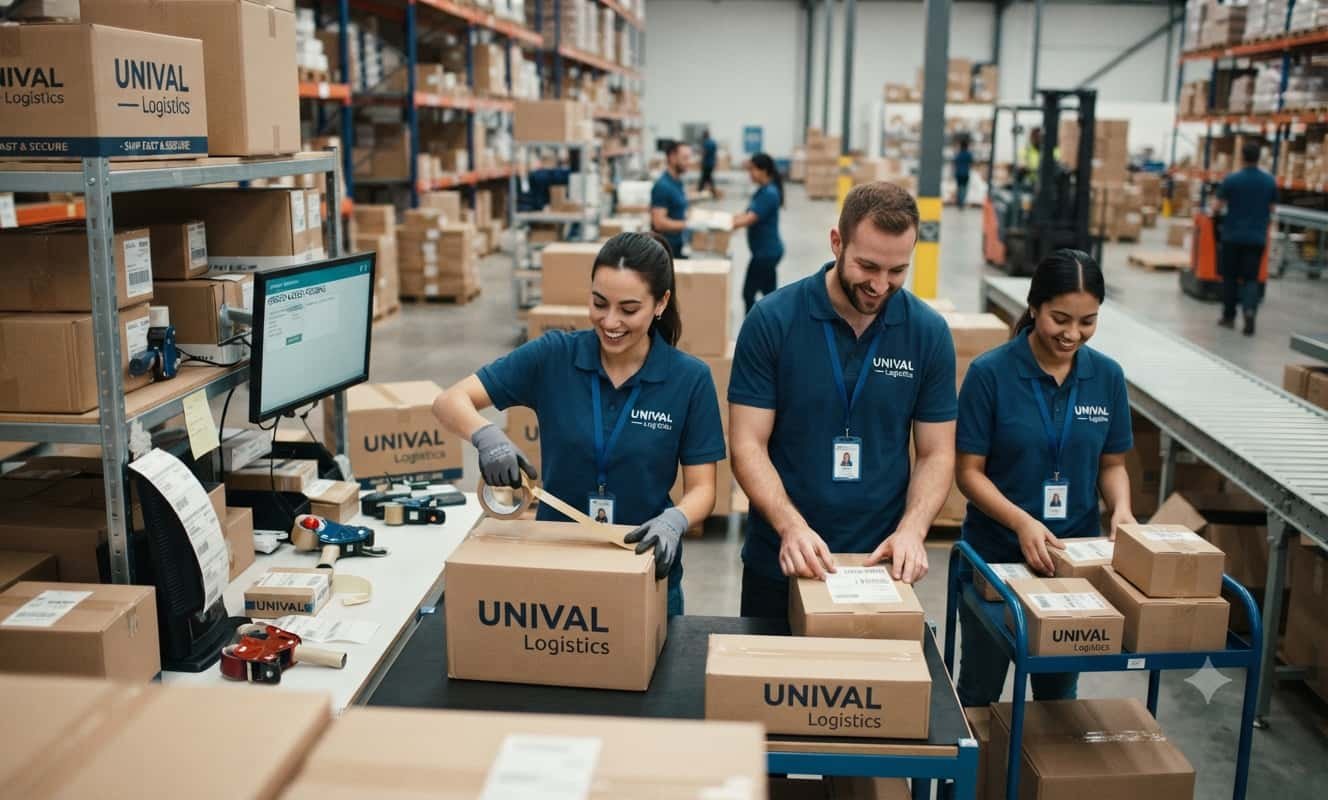
Summary: Shipping is one of the most important operating expenses for online retailers. High carrier charges, oversized packaging, inefficient fulfillment, and delayed dispatch can reduce profits and affect customer experience. Businesses can improve shipping performance by comparing carrier services, negotiating volume-based rates, selecting suitable packaging, automating order processing, and planning fulfillment more effectively. This guide explains how ecommerce businesses can control transportation expenses while maintaining reliable delivery standards. UNIVAL Logistics helps retailers explore practical logistics solutions based on their shipping volumes, delivery requirements, and business objectives.
Overview: Ecommerce customers expect convenient ordering, transparent shipping charges, and timely deliveries. Meeting these expectations requires more than choosing the cheapest transportation provider. Businesses must coordinate inventory, packaging, order processing, carrier selection, shipment tracking, and returns. Poor planning can increase transportation expenses and create unnecessary delays. A structured shipping strategy helps retailers control costs without compromising service quality. Shipping for ecommerce becomes more efficient when businesses understand their delivery patterns, compare transportation options, and improve their fulfillment processes. UNIVAL Logistics supports businesses in evaluating their logistics requirements and identifying suitable shipping arrangements for sustainable growth.
Key Takeaways:
- Compare carrier rates and service levels before selecting transportation providers.
- Choose packaging that matches product dimensions and weight.
- Negotiate better rates when shipment volumes increase.
- Automate order processing and shipping documentation.
- Use suitable fulfillment locations to reduce transit distances.
- Consolidate shipments when delivery schedules allow.
- Track delivery performance and review shipping expenses regularly.
- Balance affordable transportation with reliable customer service.
Quick Answer: Ecommerce businesses can reduce carrier costs and ship faster by comparing shipping rates, optimizing packaging, negotiating volume discounts, automating fulfillment, selecting suitable delivery services, and improving inventory placement. UNIVAL Logistics helps businesses explore cost-effective logistics arrangements for efficient order delivery.
Why Shipping Efficiency Matters for Ecommerce Businesses
Shipping directly affects ecommerce profitability and customer satisfaction. Every order creates transportation expenses, packaging requirements, handling work, and delivery responsibilities.
When shipping costs increase, businesses may need to raise product prices or absorb lower profit margins. Slow deliveries can also lead to customer complaints, cancellations, negative reviews, and reduced repeat purchases.
For growing online retailers, these problems become more noticeable as order volumes increase. A shipping process that works for ten daily orders may become inefficient when the business handles hundreds of shipments.
Shipping for ecommerce should therefore be treated as an important part of business planning rather than a final step after an order is placed.
A well-organized strategy can help businesses reduce unnecessary expenses, improve dispatch speed, and provide customers with more reliable delivery experiences.
7 Effective Ways to Reduce Ecommerce Carrier Costs
Reducing transportation expenses does not always require switching to the cheapest carrier. Businesses should first identify where unnecessary costs occur and determine which improvements offer the greatest value.
1. Compare Carrier Rates and Service Options
Different carriers offer different pricing structures, delivery speeds, package limits, and service conditions.
One provider may offer competitive rates for lightweight parcels, while another may provide better pricing for heavier shipments or specific delivery zones.
Retailers should compare transportation services according to actual shipping requirements. Important factors include package weight, dimensions, destination, delivery speed, tracking availability, and additional handling charges.
Do not compare providers using base shipping prices alone. Fuel surcharges, residential delivery fees, remote-area charges, insurance costs, and other additional expenses can increase the final amount.
Review shipping invoices regularly to identify unnecessary charges and opportunities for improvement.
UNIVAL Logistics helps businesses evaluate transportation requirements and explore suitable shipping arrangements based on their delivery needs.
2. Optimize Packaging to Reduce Dimensional Weight
Packaging can have a major effect on transportation costs.
Many carriers calculate shipping charges using both actual package weight and dimensional weight. Dimensional weight considers the space a package occupies during transportation.
This means a lightweight product packed inside an oversized box may cost more to ship than necessary.
Businesses should select packaging that provides sufficient protection without unnecessary space. Right-sized cartons, protective mailers, and suitable cushioning can help reduce package dimensions.
However, packaging should never be reduced to the point where products become vulnerable to damage.
For fragile or valuable goods, appropriate protective materials remain important. The objective is to balance package size, product safety, and transportation expenses.
3. Negotiate Better Rates as Shipping Volumes Grow
Businesses with consistent order volumes may have opportunities to negotiate improved transportation rates.
Carriers may consider shipment frequency, monthly package volume, delivery destinations, average package weight, and service requirements when preparing commercial agreements.
Retailers should review their shipping data before negotiating. Useful information includes monthly shipment totals, average package dimensions, common destinations, return volumes, and preferred delivery speeds.
Businesses should also request clear information about additional fees and contract conditions.
Regularly reviewing agreements can help retailers identify whether their current pricing still matches their shipping patterns.
4. Use Shipment Consolidation Where Practical
Shipping several orders together can sometimes reduce transportation expenses.
For example, businesses sending multiple packages to the same distribution destination may benefit from consolidated transportation arrangements before final delivery.
Consolidation can reduce unnecessary handling and improve transportation planning. However, it is not suitable for every order.
Customers may expect individual delivery schedules, and some products require urgent transportation. Retailers should evaluate delivery commitments before combining shipments.
A practical consolidation strategy should balance transportation savings with customer expectations.
5. Improve Inventory Placement and Fulfillment Locations
The distance between inventory and customers can influence transportation expenses and delivery times.
Businesses that ship every order from one distant warehouse may face higher costs for customers located in other regions.
Using strategically selected fulfillment locations can reduce average delivery distances and improve order processing.
For example, a retailer serving customers across the United States may evaluate warehouse placement based on order density, inventory availability, transportation rates, and regional demand.
However, maintaining several facilities also introduces storage, staffing, and inventory management expenses.
Businesses should compare the total fulfillment cost before expanding their warehouse network.
6. Reduce Failed Deliveries and Return Expenses
Failed delivery attempts create additional costs and can affect customer satisfaction.
Incorrect addresses, missing apartment numbers, unavailable recipients, and incomplete delivery instructions are common reasons for delivery problems.
Retailers can reduce these issues by validating addresses during checkout, confirming customer contact details, and providing accurate tracking information.
Clear product descriptions and accurate size information can also help reduce avoidable returns.
Businesses should monitor return reasons and identify recurring problems. Improving product information and packaging can help prevent unnecessary transportation expenses.
7. Review Shipping Performance Regularly
Shipping costs should be monitored as part of regular business reporting.
Retailers should review average shipping cost per order, delivery time, damage rates, failed deliveries, return expenses, and carrier performance.
These measurements help identify problems that may not be obvious from individual invoices.
For example, a carrier with lower base rates may create higher overall costs if deliveries are frequently delayed or damaged.
The best transportation arrangement is one that offers suitable pricing, dependable delivery, and appropriate service quality.
How to Ship Ecommerce Orders Faster
Reducing expenses is important, but delivery speed also influences customer experience. Faster shipping requires coordination between inventory, order processing, packaging, and transportation.
1. Process Orders Without Unnecessary Delays
Order processing should begin as soon as payment and order details are confirmed.
Manual data entry, delayed picking, and inconsistent packing procedures can increase the time between purchase and dispatch.
Businesses can improve efficiency by using integrated order management systems, barcode scanning, automated shipping labels, and standardized packing workflows.
These tools help employees process orders more consistently and reduce avoidable mistakes.
2. Choose Delivery Services Based on Customer Expectations
Not every order requires overnight delivery.
Retailers can offer different service levels depending on customer needs, product value, and delivery urgency.
Standard delivery may be appropriate for customers who prioritize affordability. Expedited services can support urgent purchases, while scheduled delivery may suit certain business shipments.
Offering suitable options helps customers choose the delivery speed that matches their expectations and budget.
Businesses should also communicate realistic delivery estimates rather than promising timelines they cannot consistently achieve.
3. Improve Warehouse Picking and Packing
Warehouse organization affects how quickly orders leave the facility.
Products that sell frequently should be stored in accessible locations. Clear inventory labels and organized picking routes can reduce unnecessary movement.
Businesses should also maintain sufficient packaging materials and establish standard packing procedures.
A well-organized fulfillment operation reduces dispatch delays and helps prevent incorrect shipments.
4. Use Tracking and Delivery Notifications
Customers want to know when their orders have been dispatched and when they can expect delivery.
Shipment tracking provides visibility into transportation progress and helps customers plan for incoming packages.
Automated notifications can also reduce customer service inquiries about order status.
Retailers should make tracking information available as soon as it is provided by the transportation carrier.
UNIVAL Logistics encourages businesses to consider shipment visibility and communication requirements when selecting logistics arrangements.
Understanding Shipping Costs for Ecommerce
The total cost of shipping includes more than the carrier’s transportation charge.
Retailers should account for packaging, labor, fulfillment, insurance, returns, and additional transportation fees when calculating the cost of delivering each order.
A useful approach is to calculate the total shipping expense per completed order rather than focusing only on the carrier invoice.
What Factors Affect Carrier Pricing?
Several factors influence the final transportation charge.
Package Weight: Heavier shipments generally cost more to transport.
Package Dimensions: Oversized packaging can increase dimensional weight charges.
Delivery Distance: Longer routes and remote destinations may increase transportation expenses.
Delivery Speed: Expedited services usually cost more than standard delivery.
Additional Services: Insurance, signature confirmation, special handling, and residential delivery can add charges.
Shipment Volume: Businesses with consistent shipping volumes may qualify for negotiated rates, depending on the provider.
Understanding these factors helps retailers identify where savings are possible.
Ecommerce Shipping Cost Breakdown
The following figures are illustrative US planning estimates for common domestic ecommerce shipments. Actual costs depend on carrier, package specifications, destination, service level, and business agreements.
- Lightweight parcel shipping: Approximately $5 to $10 per package for suitable standard domestic services.
- Medium parcel shipping: Approximately $8 to $18 per package, depending on weight and distance.
- Heavier parcel shipping: Approximately $15 to $35 or more per package, depending on dimensions and destination.
- Packaging materials: Approximately $0.50 to $4 per order for standard cartons, mailers, and protective materials.
- Fulfillment and packing labor: Approximately $1 to $5 per order, depending on handling requirements and operational efficiency.
- Additional shipping insurance: Approximately $2 to $15 or more per shipment, depending on declared value and coverage conditions.
- Expedited delivery: Approximately $15 to $50 or more per package, depending on delivery speed and destination.
Important Disclaimer
The prices listed above are baseline estimates subject to market fluctuations, supplier changes, and variable logistics fees. Actual costs may vary according to shipment dimensions, weight, delivery location, carrier agreements, packaging requirements, insurance coverage, and service availability. For the latest and most accurate prices, please contact UNIVAL Logistics for professional guidance and a customized quotation.
Standard Shipping vs. Expedited Shipping for Ecommerce
Retailers often need to decide whether to prioritize lower transportation costs or faster delivery.
Standard Shipping
Standard shipping is generally suitable for customers who do not require urgent delivery.
It can help retailers control transportation expenses and offer more affordable delivery options. However, delivery times depend on the service provider, destination, and transportation network.
Businesses should provide realistic delivery estimates and maintain communication throughout the shipment process.
Expedited Shipping
Expedited shipping is designed for customers who need their orders delivered sooner.
It may be useful for urgent purchases, time-sensitive products, and business shipments with strict delivery requirements.
However, faster transportation usually involves higher charges. Retailers should determine whether the additional cost is justified by customer demand and order value.
A balanced shipping strategy offers different delivery options rather than using expedited services for every order.
How UNIVAL Logistics Helps Ecommerce Businesses Improve Shipping
Ecommerce retailers need logistics arrangements that support business growth while maintaining control over transportation expenses.
UNIVAL Logistics helps businesses explore professional shipping solutions based on their package requirements, delivery schedules, and operational needs.
Whether a company ships individual customer orders, commercial parcels, electronics, or valuable products, choosing appropriate transportation arrangements is essential.
A practical logistics strategy should consider:
Transportation Planning: Identify suitable shipping services based on package size, weight, delivery destination, and urgency.
Cost Management: Evaluate transportation expenses and identify opportunities to improve shipping efficiency.
Packaging Requirements: Select appropriate packaging to protect products and avoid unnecessary dimensional charges.
Shipment Visibility: Consider tracking and communication requirements to improve delivery management.
Insurance Considerations: Review declared values and available protection for eligible shipments.
Business Scalability: Choose logistics arrangements that can support changing order volumes and future growth.
UNIVAL Logistics focuses on helping businesses understand their shipping requirements and explore suitable transportation arrangements.
For ecommerce retailers, the goal is to achieve a practical balance between cost, delivery performance, shipment protection, and customer satisfaction.
Common Ecommerce Shipping Mistakes to Avoid
Even established online retailers can lose money through inefficient shipping procedures.
One common mistake is choosing a carrier based only on its advertised base rate. Additional charges can make the final transportation cost considerably higher.
Another problem is using oversized packaging. Large boxes can increase dimensional weight and create unnecessary expenses.
Businesses may also delay dispatch because of poor inventory organization, manual order processing, or insufficient packaging supplies.
Other mistakes include offering unrealistic delivery estimates, failing to monitor carrier performance, ignoring return costs, and overlooking appropriate insurance for valuable products.
Retailers should review their shipping processes regularly and identify areas where better planning can improve performance.
Building a Cost-Effective Ecommerce Shipping Strategy
A successful shipping strategy should support both business profitability and customer expectations.
Start by reviewing recent orders and identifying the most common destinations, package sizes, shipment weights, and delivery requirements.
Next, compare carrier services and identify opportunities to improve packaging, negotiate rates, and streamline order processing.
Businesses should also establish clear shipping policies. Customers need to understand delivery charges, estimated arrival times, tracking availability, and return procedures before completing a purchase.
As order volumes increase, review transportation agreements and fulfillment arrangements to ensure they remain suitable.
Shipping for ecommerce should evolve with business growth. Regular performance reviews help retailers maintain cost control without sacrificing reliable delivery.
Final Thoughts
Ecommerce shipping affects profitability, customer satisfaction, and long-term business growth. High carrier charges and slow order processing can reduce competitiveness, especially when businesses handle increasing shipment volumes.
Retailers can improve performance by comparing transportation services, optimizing packaging, negotiating better rates, automating fulfillment, and selecting suitable delivery options.
The best shipping strategy does not simply choose the lowest price. It balances transportation costs, delivery speed, reliability, and shipment protection.
UNIVAL Logistics helps ecommerce businesses explore professional shipping arrangements based on their operational requirements. With better planning and cost management, retailers can improve fulfillment efficiency and deliver a more dependable customer experience.
Book now with UNIVAL Logistics to discuss your ecommerce shipping requirements and explore cost-effective logistics solutions for your business.
Frequently Asked Questions
1. What is shipping for ecommerce?
Ecommerce shipping refers to the process of transporting products from an online retailer or fulfillment facility to customers. It includes order preparation, packaging, carrier selection, transportation, tracking, and final delivery.
2. How can ecommerce businesses reduce shipping costs?
Businesses can reduce shipping expenses by comparing carrier rates, using right-sized packaging, negotiating volume discounts, consolidating suitable shipments, and improving fulfillment operations.
3. What is the cheapest way to ship ecommerce orders?
The most affordable option depends on package weight, dimensions, delivery distance, and required delivery speed. Standard parcel services may be suitable for many lightweight shipments, while negotiated commercial rates can benefit businesses with consistent shipping volumes.
4. How can online stores deliver orders faster?
Online stores can improve delivery speed by processing orders quickly, organizing warehouse inventory, automating shipping documentation, selecting suitable carriers, and providing accurate tracking information.
5. Does packaging affect ecommerce shipping costs?
Yes. Many carriers consider both actual weight and dimensional weight. Oversized packaging can increase shipping charges, even when the product itself is lightweight.
6. What is dimensional weight in ecommerce shipping?
Dimensional weight is a pricing method that considers the space a package occupies during transportation. Carriers may compare dimensional weight with actual weight and use the applicable pricing measurement.
7. Should ecommerce businesses offer free shipping?
Free shipping can encourage purchases, but businesses should calculate its effect on profit margins. Some retailers include transportation costs in product pricing, while others offer free shipping above a minimum order value.
8. Is standard shipping better than expedited shipping?
Standard shipping is generally more affordable, while expedited shipping provides faster delivery. The best option depends on customer expectations, product requirements, and business margins.
9. How can ecommerce businesses manage shipping returns?
Retailers can improve returns management through clear return policies, accurate product descriptions, protective packaging, and organized reverse logistics procedures. Tracking return reasons can also help identify recurring problems.
10. Why is shipment tracking important for ecommerce?
Tracking helps customers monitor delivery progress and gives retailers better shipment visibility. It can also reduce customer service inquiries and help businesses identify delays.
11. How much should an ecommerce business budget for shipping?
Shipping budgets depend on order volume, average package size, destinations, carrier agreements, and delivery speeds. Businesses should calculate transportation, packaging, labor, insurance, and return expenses together.
12. Why choose UNIVAL Logistics for ecommerce shipping?
UNIVAL Logistics helps businesses explore professional transportation arrangements based on their shipping volumes, delivery requirements, and operational goals. Retailers can discuss cost management, packaging considerations, shipment protection, and suitable logistics options to support efficient order fulfillment.