
 By user
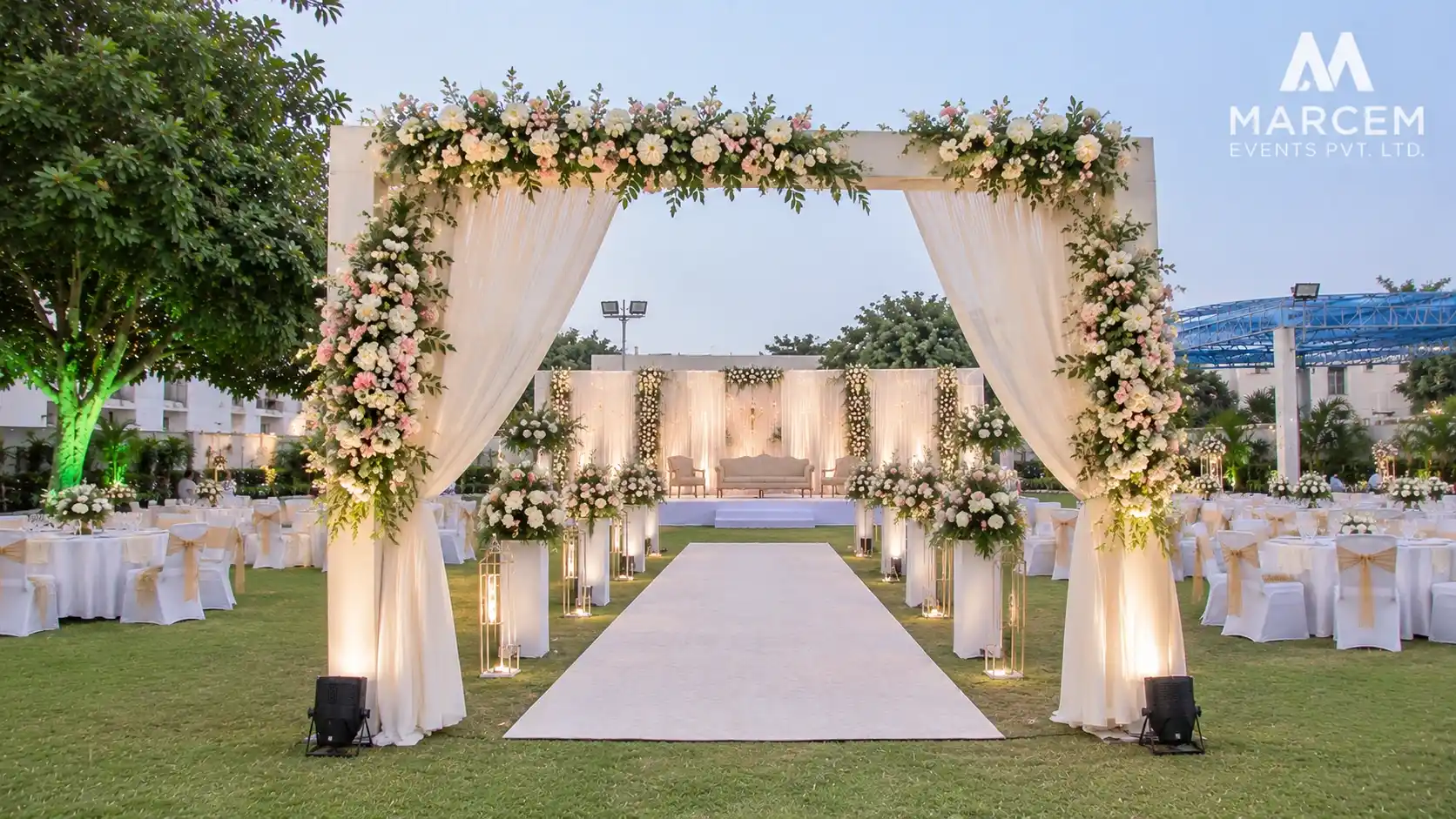
Corporate events are an important part of how businesses communicate with employees, clients, partners, and industry professionals. From annual dinners and business conferences to product launches and corporate exhibitions, each event creates an opportunity to strengthen professional relationships, communicate business objectives, and build brand recognition.
However, a successful corporate event requires more than selecting a venue and inviting guests. It involves understanding the purpose of the gathering, developing an appropriate concept, coordinating suppliers, managing production, arranging hospitality, and ensuring that every element works together on the event day.
Businesses across Karachi, Lahore, and Islamabad organize corporate gatherings for different reasons, including employee engagement, networking, brand promotion, business announcements and professional development.
In this guide, we explore 15 corporate event ideas, explain how to plan them effectively, and highlight the execution elements businesses should consider when organizing professional events in Pakistan.
Why Corporate Events Matter for Businesses
Corporate events provide businesses with an opportunity to communicate beyond everyday meetings and digital channels. They bring employees, customers, partners and industry professionals together in a shared environment.
Depending on the objective, a corporate event can support several business activities:
- Employee engagement: Recognizing achievements, celebrating milestones and strengthening relationships between teams.
- Brand positioning: Presenting a company’s identity through professional event concepts and production.
- Business networking: Creating opportunities for clients, suppliers, partners and industry representatives to connect.
- Product promotion: Introducing new products, services and business developments to relevant audiences.
- Knowledge sharing: Organizing conferences, seminars and workshops that encourage professional learning.
- Client relationships: Hosting business gatherings that strengthen communication with existing and prospective customers.
The most effective corporate event is one that has a clear objective and an execution plan built around the audience and expected outcomes.
15 Corporate Event Ideas for Businesses in Pakistan
Different corporate occasions require different event formats. A business celebrating its annual achievements may need a formal dinner, while a company introducing a new product may require a branded launch experience.
Here are 15 corporate event ideas businesses can consider.
1. Corporate Annual Dinner
A corporate annual dinner is an opportunity to bring employees, management, business partners and invited guests together to celebrate company achievements.
These events generally combine formal dining, entertainment, recognition ceremonies and presentations.
Execution elements to consider:
- A suitable banquet hall or event venue.
- A stage designed around the company’s identity.
- Professional lighting and audiovisual arrangements.
- Guest registration and seating coordination.
- Dinner catering and hospitality.
- Awards, recognition segments and entertainment.
An annual dinner should reflect the company’s culture while providing guests with a well-organized experience.
2. Corporate Awards and Recognition Ceremony
Employee recognition events celebrate professional achievements, individual contributions and organizational milestones.
Businesses can organize these ceremonies to acknowledge outstanding performance, recognize long-serving employees or celebrate departmental success.
Execution elements to consider:
- Award categories and presentation sequence.
- Stage design and branded backdrops.
- Award displays and presentation arrangements.
- Lighting and sound coordination.
- Guest seating and VIP management.
- Photography and event documentation.
A carefully planned recognition ceremony helps make the occasion meaningful for employees and management.
3. Corporate Conference
Corporate conferences bring professionals together to discuss business developments, industry trends, organizational strategies and new opportunities.
They can range from small executive gatherings to large conferences involving multiple departments or external participants.
Execution elements to consider:
- Conference venue and seating configuration.
- Stage and presentation screens.
- Microphones, sound systems and audiovisual equipment.
- Speaker and guest coordination.
- Registration and attendee management.
- Refreshments and catering arrangements.
The event setup should support clear communication and allow participants to engage comfortably with the conference programme.
4. Product Launch Event
A product launch introduces a new product or service to customers, distributors, business partners and media representatives.
The event concept should communicate the product’s value and create an appropriate environment for its presentation.
Execution elements to consider:
- Product display and presentation area.
- Branded stage and backdrop.
- Lighting and audiovisual production.
- Demonstration arrangements.
- Guest invitations and registration.
- Photography and video coverage.
A product launch should connect the event design with the product’s identity and the company’s marketing objectives.
5. Corporate Exhibition and Trade Show
Exhibitions allow businesses to showcase products, services, and capabilities to industry professionals and prospective customers.
Companies may participate in an existing trade exhibition or organize their own industry-focused showcase.
Execution elements to consider:
- Exhibition layout and visitor circulation.
- Branded booths and display structures.
- Product demonstration areas.
- Lighting and electrical requirements.
- Visitor registration and information desks.
- On-site coordination and technical support.
An effective exhibition environment should make it easy for visitors to understand what a company offers and interact with its representatives.
6. Corporate Team-Building Event
Team-building events bring employees together through activities that encourage communication, collaboration and problem-solving.
These gatherings can take place indoors, outdoors or at dedicated recreational venues.
Execution elements to consider:
- Activities suited to the participants.
- Venue selection and accessibility.
- Group allocation and scheduling.
- Activity equipment and facilitators.
- Refreshments and catering.
- Safety and event-day coordination.
The programme should reflect the company’s objectives and provide activities that employees can participate in comfortably.
7. Corporate Gala Dinner
A corporate gala dinner is a formal gathering often organized for senior executives, clients, business partners, sponsors and invited guests.
It may include speeches, entertainment, networking and formal dining.
Execution elements to consider:
- Premium venue selection.
- Formal table arrangements.
- Stage design and event branding.
- Ambient lighting and production.
- Guest reception and hospitality.
- Dinner service and entertainment.
The overall presentation should be consistent with the occasion and the company’s professional identity.
8. Business Networking Event
Networking events help businesses develop professional relationships and create opportunities for collaboration.
They may involve entrepreneurs, industry representatives, investors, clients and business partners.
Execution elements to consider:
- Venue with suitable networking space.
- Guest registration and introductions.
- Seating and interaction arrangements.
- Presentation or speaking areas.
- Refreshments and hospitality.
- Event signage and branding.
The layout should encourage conversation rather than making the entire event dependent on formal presentations.
9. Corporate Seminar
Seminars provide a structured environment for sharing information, discussing professional topics and presenting business knowledge.
They are commonly organized for employees, customers, industry professionals and specialist audiences.
Execution elements to consider:
- Appropriate seminar venue.
- Speaker and presentation arrangements.
- Projectors, screens and microphones.
- Registration and participant management.
- Seating and refreshments.
- Timetable and session coordination.
A successful seminar depends on clear communication, suitable technical arrangements and an organized programme.
10. Corporate Workshop
Workshops are designed around practical learning, group participation and professional development.
Businesses can organize workshops for employees, management teams, customers or industry participants.
Execution elements to consider:
- Seating arrangements that support participation.
- Workshop materials and equipment.
- Presentation and demonstration facilities.
- Facilitator coordination.
- Refreshments and catering.
- Session timing and participant support.
The setup should be selected according to the workshop format rather than simply using a conventional conference arrangement.
11. Corporate Brand Activation
Brand activations help companies introduce their identity, products or campaigns through interactive experiences.
These events may take place at commercial venues, exhibitions, shopping destinations or other locations relevant to the target audience.
Execution elements to consider:
- Branded installations and displays.
- Interactive activity areas.
- Product sampling or demonstrations.
- Promotional materials.
- Lighting and production requirements.
- Staff and visitor coordination.
The experience should communicate the brand’s message clearly while encouraging meaningful audience participation.
12. Corporate Family Day
A corporate family day gives employees and their families an opportunity to participate in a company-organized gathering.
It may include recreational activities, food stations, entertainment and dedicated areas for children.
Execution elements to consider:
- Family-friendly venue selection.
- Activity zones and entertainment.
- Catering and refreshment stations.
- Guest registration.
- Seating and relaxation areas.
- Event safety and coordination.
Planning should account for different age groups and the practical requirements of families attending together.
13. Corporate Milestone Celebration
Businesses can organize milestone events to celebrate anniversaries, major achievements, business expansions and organizational developments.
These occasions provide an opportunity to recognize the people and partnerships behind the company’s progress.
Execution elements to consider:
- Event theme and visual identity.
- Company history or achievement displays.
- Stage and presentation arrangements.
- Guest invitations and reception.
- Recognition and speech segments.
- Photography and documentation.
The event should communicate the significance of the milestone without making the programme unnecessarily complicated.
14. Corporate Ramadan Iftar and Dinner
Ramadan gatherings provide businesses with an opportunity to bring employees, clients and business partners together for Iftar and dinner.
These events require particular attention to timing, hospitality and catering coordination.
Execution elements to consider:
- Venue capacity and accessibility.
- Iftar and dinner menu planning.
- Prayer arrangements where appropriate.
- Guest arrival and seating management.
- Food service coordination.
- Lighting and event décor.
The schedule should account for local prayer and Iftar timings while ensuring that guests are comfortably accommodated.
15. Corporate Leadership and Executive Retreat
Leadership retreats bring senior management and decision-makers together for strategy discussions, planning sessions and organizational development.
They may be organized at hotels, resorts or dedicated conference venues.
Execution elements to consider:
- Suitable venue and accommodation.
- Meeting rooms and presentation facilities.
- Conference equipment.
- Dining and hospitality arrangements.
- Session scheduling.
- On-site coordination.
The environment should support productive discussions while giving participants appropriate space for networking and informal interaction.
How to Choose the Right Corporate Event Format
Not every corporate event requires the same format. The right choice depends on the business objective, audience, budget and expected level of participation.
Consider the following factors before selecting an event concept.
| Business objective | Suitable event format |
|---|---|
| Employee recognition | Annual dinner or awards ceremony |
| Product promotion | Product launch or brand activation |
| Industry networking | Business networking event or conference |
| Professional development | Seminar or workshop |
| Employee engagement | Team-building event or family day |
| Business milestone | Corporate gala or anniversary celebration |
| Strategic planning | Leadership retreat |
| Industry visibility | Exhibition or trade show |
Businesses should also consider the expected number of attendees, venue requirements, programme duration and technical production needs.
Essential Elements of Corporate Event Planning and Execution
A strong event concept needs a practical execution plan. Every department, supplier and event component must work according to an agreed schedule.
1. Define the Event Objective
Start by identifying why the business is organizing the event.
Is the purpose to introduce a product, recognize employees, host clients, share industry knowledge or celebrate a company milestone?
A clear objective helps determine the format, programme and required resources.
2. Understand the Audience
The event should be planned around the people attending it.
A senior management gathering may require a different venue and programme from a large employee celebration or public-facing brand activation.
Consider the audience’s expectations, professional roles, accessibility needs and likely participation.
3. Select an Appropriate Venue
Venue selection affects the event’s layout, accessibility, guest experience and technical requirements.
Before confirming a venue, assess:
- Guest capacity.
- Location and accessibility.
- Parking arrangements.
- Stage and production space.
- Electricity and technical facilities.
- Catering options.
- Seating configurations.
- Venue policies and available timings.
The venue should support the event’s requirements rather than simply looking attractive.
4. Develop the Event Concept and Design
The event concept connects the business objective with the visual presentation and programme.
This may include stage design, entrance arrangements, branding, table settings, signage, lighting and display installations.
A consistent visual direction helps maintain the company’s identity throughout the event.
5. Coordinate Stage, Lighting, Sound and AV
Technical production is an important part of conferences, product launches, annual dinners and large corporate gatherings.
The production plan should account for:
- Stage dimensions and layout.
- LED screens and presentation displays.
- Sound systems and microphones.
- Lighting requirements.
- Power distribution.
- Presentation equipment.
- Technical rehearsals.
Testing equipment before guest arrival helps identify potential issues and supports better event-day coordination.
6. Plan Catering and Hospitality
Food service and guest hospitality influence the overall experience.
The menu, service style and catering arrangements should reflect the event format, audience size and schedule.
For example, a formal gala dinner may require a different service plan from a half-day seminar or an outdoor family gathering.
7. Prepare a Detailed Event Schedule
A production schedule helps the organizing team understand what needs to happen and when.
It should cover:
- Venue access and setup.
- Supplier arrival.
- Stage and technical installation.
- Equipment testing.
- Guest registration.
- Programme start and transitions.
- Catering service.
- Closing arrangements and dismantling.
The schedule should identify responsibilities and allow sufficient time for setup and testing.
8. Manage Event-Day Execution
Event-day coordination brings together the different planning activities.
The team should monitor guest arrivals, programme timing, technical operations, supplier coordination and hospitality arrangements.
A designated coordination structure helps ensure that issues are addressed quickly and that different teams remain aligned.
What Makes Corporate Event Execution Successful?
Planning and execution are closely connected, but they are not the same thing.
A detailed proposal does not automatically guarantee that every event component will work as expected. Successful delivery requires preparation, communication, supervision and practical coordination.
Businesses should evaluate event execution through several important areas:
Operational coordination: Responsibilities should be clear across the organizing team and suppliers.
Technical readiness: Sound, lighting, displays and presentation equipment should be checked before the programme begins.
Guest management: Registration, seating, reception and movement should be organized according to the event format.
Programme management: Speakers, presentations, entertainment and transitions should follow an agreed schedule.
Contingency planning: The team should prepare for potential technical, logistical and scheduling issues.
Post-event review: Feedback, photographs, documentation and performance observations can help assess the event and improve future planning.
These elements are particularly important for large corporate gatherings where several suppliers and departments may be working simultaneously.
How to Evaluate a Corporate Event Management Portfolio
Before selecting an event management partner, businesses should look beyond promotional descriptions and review evidence of actual event execution.
A meaningful portfolio should demonstrate the company’s ability to handle different event requirements.
Consider reviewing the following:
- Event diversity: Has the company handled conferences, annual dinners, exhibitions, launches and other relevant formats?
- Production quality: Do the photographs demonstrate professional stage design, lighting and audiovisual arrangements?
- Venue experience: Does the portfolio show experience working in venues suitable for the planned event?
- Operational details: Can the company explain its responsibilities, coordination process and production arrangements?
- Relevant experience: Has it delivered events similar in scale and purpose to the proposed gathering?
- Documentation: Are there genuine event photographs, videos and case studies that support its claims?
Businesses comparing Corporate Event Management Companies should assess their actual capabilities, relevant portfolio and ability to manage the complete event process.
A portfolio supported by original event photographs and clear project information gives prospective clients a better understanding of what a company can deliver.
Corporate Event Planning in Karachi, Lahore and Islamabad
Pakistan’s major business centres host a wide range of corporate gatherings throughout the year.
Karachi, Lahore and Islamabad each provide opportunities for conferences, annual dinners, exhibitions, business meetings, product launches and professional networking events.
Corporate Events in Karachi
Karachi’s business environment creates demand for corporate conferences, annual dinners, exhibitions, brand activations and client gatherings.
Venue capacity, traffic conditions, guest accessibility, technical production and supplier coordination should all be considered during planning.
Corporate Events in Lahore
Lahore offers options for corporate celebrations, conferences, networking gatherings and business events.
The event format should determine the venue, production setup, hospitality arrangements and programme structure.
Corporate Events in Islamabad
Islamabad is an important location for professional conferences, institutional gatherings, executive meetings and corporate functions.
Planning should account for guest accessibility, venue facilities, formal programme requirements and technical arrangements.
For businesses organizing events across these cities, local supplier coordination and familiarity with venue requirements can support more effective execution.
How MARCEM Approaches Corporate Event Planning and Execution
Corporate events require coordination across several areas, from the initial concept to the final event-day arrangements.
MARCEM Events works across event planning and management requirements, including corporate gatherings, conferences, exhibitions, brand activations, product launches, event production, décor, audiovisual arrangements, catering and venue coordination.
The requirements of each project depend on its purpose, audience, venue and production scope.
For businesses evaluating an event partner, reviewing relevant project photographs and discussing the practical requirements of the proposed event can help establish whether the company’s experience matches the project.
A useful portfolio review should focus on the event format, production elements, coordination responsibilities and actual execution evidence rather than relying only on general promotional claims.
Frequently Asked Questions About Corporate Events
1. What are the most popular corporate event ideas?
Popular corporate event formats include annual dinners, conferences, product launches, exhibitions, awards ceremonies, team-building activities, networking events and corporate gala dinners. The best choice depends on the business objective and target audience.
2. How do businesses choose a corporate event theme?
Businesses should select a theme that reflects the event’s purpose, company identity and audience. The theme should also be practical to execute within the available venue, production requirements and budget.
3. What is included in corporate event planning?
Corporate event planning can include concept development, venue selection, budgeting, stage design, audiovisual production, décor, catering, guest management, supplier coordination and event-day supervision.
4. How far in advance should a corporate event be planned?
The planning period depends on the event’s size and complexity. Large conferences, exhibitions and gala dinners generally require more preparation than smaller meetings or workshops. Venue availability, supplier requirements and guest arrangements should be considered early.
5. What should businesses check before hiring an event management company?
Businesses should review the company’s relevant portfolio, event photographs, production capabilities, coordination process, supplier arrangements and experience with similar event formats. The proposed scope, responsibilities and costs should also be clearly documented.
6. What is the difference between corporate event planning and event execution?
Planning involves developing the concept, schedule, budget and operational requirements. Execution involves putting those plans into practice through supplier coordination, production setup, guest management, technical supervision and event-day operations.
7. What equipment is required for a corporate event?
Depending on the event, requirements may include a stage, LED screens, projectors, microphones, sound systems, lighting, presentation equipment, registration facilities and power arrangements. The exact setup depends on the venue and programme.
8. Can corporate events be organized for small businesses?
Yes. Corporate events can be organized for businesses of different sizes. Smaller companies may arrange workshops, team gatherings, networking sessions and milestone celebrations, while larger organizations may require conferences, exhibitions and annual dinners.
Conclusion
Corporate events are valuable opportunities for businesses to connect with employees, customers, partners and industry professionals.
Whether the objective is to celebrate company achievements, introduce a product, organize a conference or strengthen employee engagement, successful delivery depends on selecting the right event format and coordinating every operational detail.
From venue selection and event design to production, catering and on-site management, each component contributes to the final outcome.
Businesses planning their next corporate gathering should begin with a clear objective, evaluate relevant event portfolios and develop an execution plan that reflects their audience and requirements.
MARCEM Events provides corporate event planning and management services for businesses looking to organize professional gatherings in Pakistan. Companies can discuss their event requirements and explore suitable planning and execution arrangements through the MARCEM website.