
 By user
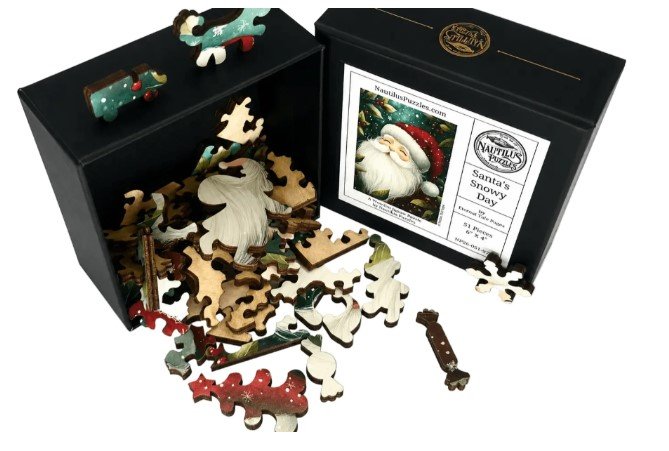
Jigsaw puzzling has long been celebrated as a rewarding pastime, yet massive multi-thousand-piece sets often require dedicated table space and weeks of commitment. Turning to 100 piece puzzles offers an accessible, deeply satisfying alternative that delivers the cognitive and stress-relieving benefits of traditional puzzling within a single sitting. Whether used as a brief mental reset during a busy workday or a shared tabletop activity, compact puzzles provide immediate gratification without overwhelming the solver.
Cognitive Benefits of Short-Form Puzzling
Engaging with jigsaw puzzles stimulates both hemispheres of the brain simultaneously. The left hemisphere applies logic, sorting pieces by edge structure and color gradients, while the right hemisphere processes spatial relationships and visualizes the complete artwork. Completing 100 piece puzzles exercises short-term memory and visual-spatial reasoning in a condensed timeframe.
Every time a piece locks into place, the brain releases small amounts of dopamine, a neurotransmitter associated with reward, motivation, and focus. Because smaller piece counts allow solvers to experience steady progress from start to finish in 20 to 45 minutes, they provide a concentrated boost to mood and mental clarity without inducing frustration.
Portability and Space Efficiency
One of the primary obstacles to regular puzzling is the lack of a dedicated surface that can remain undisturbed for days. Standard 1,000-piece layouts typically span over two feet in width, monopolizing dining tables and living room floors. In contrast, 100 piece puzzles generally measure around 7 by 9 inches or 8 by 10 inches when assembled.
- Travel-Friendly Dimensions: Compact boxes slip easily into carry-on bags, backpacks, or desk drawers, making them ideal companions for flights, train rides, and hotel stays.
- Minimal Workspace Needed: A small café table, airplane tray, or lap desk provides ample room to sort and assemble the entire image.
- Easy Cleanup: Because the assembly process is brief, solvers rarely need to store partially finished sections or use roll-up puzzle mats between sessions.
Craftsmanship and Piece Design
Not all small-format puzzles are designed solely for young children. High-end 100 piece puzzles crafted for adults feature intricate fine art, vintage illustrations, and complex color palettes that demand careful observation. Laser-cut wooden designs, in particular, elevate the tactile experience by utilizing thicker materials and precision cuts that snap together cleanly.
Many artisan designs also incorporate whimsical pieces—specially shaped cutouts that reflect the theme of the artwork, such as animals, botanical motifs, or historical icons. These unique silhouettes add an extra layer of discovery, turning a compact puzzle into an engaging artistic experience rather than a simple assembly task.
Versatility Across Age Groups and Settings
Smaller jigsaw puzzles can fit into different environments because they require limited space and offer a manageable level of difficulty. 100 piece puzzles can be particularly suitable for older adults and beginners who prefer shorter activities without the commitment of completing a large puzzle. Working with individual pieces encourages visual recognition, hand-eye coordination, and fine motor engagement. In group settings, these puzzles can also provide an opportunity for family members, friends, or colleagues to participate in a shared activity and enjoy a screen-free break.
Conclusion
Compact jigsaw puzzles offer an enjoyable way to combine creativity, concentration, and social interaction. Their manageable size makes them suitable for home activities, workplace breaks, and casual group gatherings. Collections such as Nautilus Puzzles also demonstrate how smaller formats can feature detailed artwork and distinctive cutting patterns. Selecting an appropriate design and difficulty level allows participants to enjoy the process at their own pace. Making time for these hands-on activities can provide a refreshing break from everyday screen-based routines.
 guestpostupmy@gmail.com