
 By user
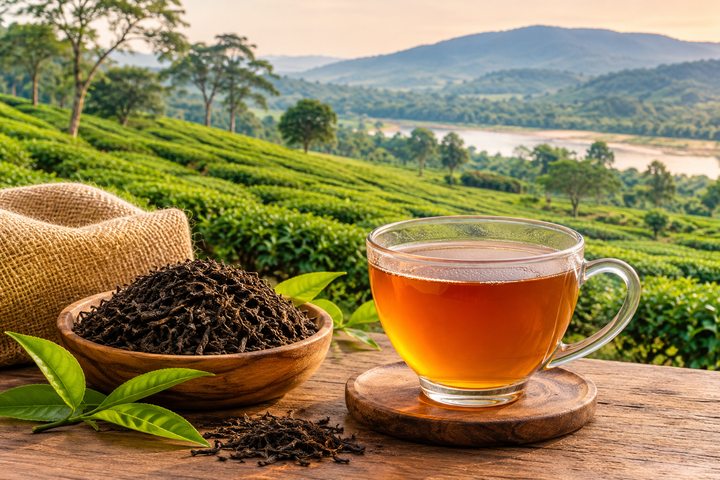
Tea is enjoyed in many different ways, from light and delicate cups to strong, full-bodied brews. Among India’s well-known tea varieties, Assam tea has a distinct place for its rich character, malty notes and deep colour. Grown in the northeastern state of Assam, this tea is appreciated by people who enjoy a flavorful cup, whether served with milk or enjoyed on its own.
For someone new to the world of loose-leaf tea, Assam offers an interesting starting point. Understanding where it comes from, how it is made, what it tastes like and how to brew it can make choosing and enjoying the right tea much easier.
What Is Assam Tea?
Assam tea is a variety of tea grown in Assam, a region in northeastern India known for its warm climate, generous rainfall and fertile Brahmaputra Valley. Most Assam tea is made from the Camellia sinensis var. assamica tea plant, which is well suited to the region’s growing conditions.
The region is particularly recognised for black tea, although different styles and processing methods are also used. Assam tea is widely known for its strong body, dark liquor and characteristic malty flavour. These qualities make it a popular choice for everyday drinking and traditional milk-based tea preparations.
What Makes Assam Tea Different?
The character of Assam tea comes from a combination of its growing environment, tea plant variety and manufacturing methods. The region’s warm temperatures and high humidity support tea cultivation, while its rainfall and seasonal changes influence how the tea plants grow.
Some commonly recognised characteristics of Assam tea include:
- Malty flavour: Many Assam black teas have a rich, malty taste that gives the cup its distinctive character.
- Full-bodied liquor: The brewed tea often has a deep colour and a satisfying mouthfeel.
- Strong aroma: Depending on the estate and processing method, the aroma can include malty, woody or slightly fruity notes.
- Versatile preparation: Assam tea can be enjoyed plain, with milk or as a base for spiced tea.
Not every Assam tea tastes exactly the same. Its flavour can vary according to the garden, harvest season, leaf grade and processing technique.
Understanding the Different Types of Assam Tea
Assam produces several tea styles, each offering a different experience. Knowing a little about them can help beginners find a variety that suits their preferences.
-
Orthodox Assam Tea
Orthodox tea is produced using traditional manufacturing techniques that involve carefully rolling and shaping the tea leaves. The finished leaves generally retain a more recognizable leaf structure.
Orthodox Assam teas can offer a range of flavour profiles, from rich and malty to smoother and more nuanced. They are often enjoyed as loose-leaf tea, allowing the leaves enough room to expand during brewing.
-
CTC Assam Tea
CTC stands for Crush, Tear and Curl, a manufacturing process in which tea leaves are processed into small, granular particles. This method produces tea that generally brews quickly and creates a strong, brisk cup.
CTC Assam tea is commonly used in milk tea and chai because its robust character can stand up well to milk, sugar and spices.
-
First Flush and Second Flush Assam Tea
Assam tea is harvested during different periods of the year, and seasonal conditions can influence its flavour.
- First Flush: The early harvest generally takes place during spring. These teas can offer a fresher character, although the flavour varies between gardens.
- Second Flush: Harvested later, generally around late spring and early summer, these teas are often known for their rich body and pronounced malty character.
The differences between harvests make exploring seasonal Assam teas an interesting experience for tea enthusiasts.
How Is Assam Tea Grown and Processed?
The journey of Assam tea begins in the tea gardens, where plants grow under the region’s warm and humid conditions. Tea workers carefully pluck suitable leaves, which are then transported for processing.
For black tea, the manufacturing process generally involves the following stages:
- Plucking: Fresh tea leaves and buds are collected from the tea bushes.
- Withering: The leaves are spread out to reduce moisture and make them suitable for further processing.
- Rolling or CTC processing: Depending on the manufacturing style, leaves are rolled using orthodox methods or crushed, torn and curled.
- Oxidation: The processed leaves undergo oxidation, which helps develop the colour, aroma and flavour associated with black tea.
- Drying: Heat is used to stop oxidation and reduce the remaining moisture.
- Sorting and grading: The finished tea is sorted according to leaf size and grade before packing.
The exact process can differ depending on the tea style and manufacturer.
What Does Assam Tea Taste Like?
Assam tea is generally recognised for its strong, full-bodied and malty character. However, its flavour is not limited to one profile. Some varieties may have hints of honey, dried fruit, wood or gentle sweetness, depending on their origin and processing.
Orthodox Assam tea can offer more varied flavour notes, while CTC Assam tea is often preferred for its brisk and robust brew.
For beginners, tasting Assam tea without milk first can help reveal its natural flavour. You can then try it with milk to understand how the taste and texture change.
How to Brew Assam Tea at Home?
A good brewing method helps bring out the flavour of Assam tea without making the cup unnecessarily bitter. While the ideal method depends on the leaf style, the following approach is a useful starting point for loose-leaf black tea.
Basic brewing guide:
- Tea quantity: Use approximately 2–2.5 grams of loose-leaf tea per 200 ml of water.
- Water temperature: Heat fresh water to around 90–100°C.
- Steeping time: Start with 3–5 minutes and adjust according to your taste.
- Serving: Enjoy plain or add milk and sweetener if preferred.
For CTC tea, a shorter brewing time may be sufficient to produce a strong cup. Avoid steeping for too long, as this can make the tea taste overly bitter or astringent.
Assam Tea with Milk vs Without Milk: Which Should You Choose?
One of the appealing aspects of Assam tea is its flexibility. The same tea can offer different drinking experiences depending on how it is prepared.
With milk: Adding milk softens some of the tea’s stronger flavour notes and creates a smooth, comforting drink. This preparation is particularly popular with robust CTC Assam tea.
Without milk: Drinking Assam tea plain allows its natural colour, aroma, maltiness and other flavour notes to come through more clearly. Orthodox varieties are worth exploring this way.
There is no single correct way to enjoy Assam tea. The choice depends on personal preference and the type of tea being brewed.
Conclusion
Assam tea offers an interesting introduction to India’s diverse tea culture. Its malty flavour, full-bodied character and different manufacturing styles provide plenty of options for both beginners and experienced tea drinkers.
From robust CTC varieties to carefully processed orthodox teas, each style brings something different to the cup. Start by exploring a few varieties, experiment with brewing times and try them with and without milk. Over time, you can discover the Assam tea styles that best match your taste and everyday tea habits.