
 By user
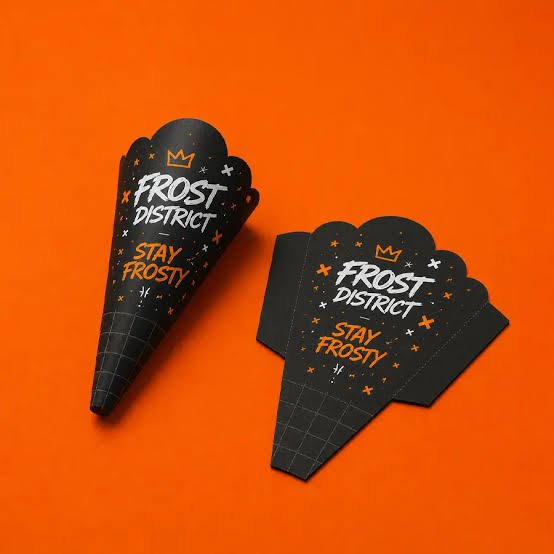
Ice cream is a simple treat, but the way it is served can make a difference to the customer experience. A cone that feels comfortable to hold and stays clean is easier to enjoy. Packaging also gives a business a chance to present its brand in a clear and attractive way. Custom Cone Sleeves offer a practical solution for ice cream shops, dessert counters, food trucks, and catering businesses. They help cover the part of the cone that customers hold while providing space for brand names, colors, and other details. A suitable sleeve can also reduce direct contact with the cone and help manage small drips. Choosing the right material, size, and design requires some thought. Understanding these details helps businesses find packaging that suits their products, budget, and daily serving needs.
Understanding Basic Packaging Needs
Cone sleeves are paper or paper-based covers designed to fit around the lower portion of an ice cream cone. They give customers a convenient place to hold the cone without touching the wafer directly. For busy dessert shops, this small detail can make serving more comfortable and organized. The right sleeve should fit securely without crushing the cone or slipping during use. Businesses looking for Custom Printed Cone Sleeves should consider the cone’s shape, the amount of ice cream served, and the conditions in which the product will be sold. A sleeve that works well for a small scoop may not suit a large waffle cone. Taking time to understand these requirements helps prevent packaging waste and improves the overall serving experience.
Choosing Suitable Materials
The material used for a cone sleeve affects its strength, appearance, and performance. Paperboard and food-grade paper are common options because they are lightweight and easy to shape. Some businesses prefer thicker paper for a firmer grip, while others choose lighter materials to keep packaging costs manageable. The material should be suitable for direct contact with the cone and comply with relevant food-contact requirements. Moisture resistance may also matter, especially when cones are served outdoors or during warm weather. However, a paper sleeve should not be treated as a leakproof barrier unless it has been designed and tested for that purpose. Before placing a large order, businesses should request samples and check how the material performs during normal service.
Designing Attractive Brand Sleeves
Packaging can help customers recognize a dessert business, even when they have never visited before. A clear logo, a readable brand name, and a consistent color scheme can make a cone look more professional. With custom-printed cone sleeves, businesses can include simple graphics, contact details, or a short message that reflects their identity. The design does not need to be complicated to work well. In fact, too much text or too many colors can make a sleeve look crowded. It is better to focus on a few recognizable elements and leave enough space around them. Businesses should also check how the artwork looks on the chosen material, since paper texture and printing methods can affect the final result.
Selecting Correct Cone Sizes
A sleeve should match the cone it is designed to hold. If it is too loose, it may slide down during serving. If it is too tight, it can crack the cone or become difficult to apply. Businesses should measure the cone’s width and the area that the sleeve needs to cover before choosing a size. This is particularly useful for shops that offer several cone styles or different serving portions. Ice Cream Cone Sleeves should also leave enough room for customers to hold the cone comfortably without interfering with the ice cream. A supplier may offer standard sizes or produce sleeves according to specific measurements. Testing samples with actual cones is a reliable way to confirm the fit before ordering larger quantities.
Exploring Printing And Finishes
Printing choices influence how a sleeve looks and how well it represents a brand. Simple one-color printing can suit businesses that prefer a clean appearance and a controlled budget. Full-color printing provides more room for detailed artwork, photographs, and colorful designs. The best option depends on the brand identity, order size, and available budget. Some businesses also consider matte or glossy finishes to change the appearance of the packaging. However, any coating or ink used should be appropriate for the intended food-packaging application. When ordering personalized Cone Sleeves, it is helpful to review a digital proof and, when possible, a printed sample. This gives the business a chance to check spelling, color accuracy, logo placement, and overall readability before approving production.
Comparing Wholesale Ordering Options
Ordering larger quantities can help a business maintain a steady supply of packaging during busy periods. It may also reduce the unit price, although the final savings depend on printing costs, storage needs, and the supplier’s pricing structure. Businesses considering custom Cone Sleeves wholesale should compare more than the quoted price. Minimum order quantities, production time, shipping fees, print quality, and replacement policies can all affect the overall value. A very large order may not be suitable for a small shop with limited storage or changing branding plans. It is often sensible to estimate weekly usage and seasonal demand before choosing an order quantity. A dependable supplier should explain the available options clearly and provide a realistic timeline for delivery.
Adding Logos To Packaging
A logo on packaging helps connect the product with the business that serves it. Customers may remember a distinctive design and recognize it when they return. This can be useful for ice cream parlors, cafés, event caterers, and dessert brands that sell through several locations. Cone sleeve boxes with logos can also support a consistent presentation when sleeves and other packaging items are ordered together. Businesses should use a clear, high-quality logo file and check that the artwork remains readable at the sleeve’s actual size. Small text may become difficult to see on a narrow surface. It is also worth checking that the logo colors match the rest of the brand materials. Consistency across cups, napkins, sleeves, and takeaway packaging creates a more recognizable customer experience.
Matching Sleeves With Cones
Different cone styles may need different sleeve designs. A standard sugar cone, a wide waffle cone, and a specialty dessert cone can vary in width, shape, and weight. A sleeve should support the way the cone is held without covering too much of the product or making it awkward to serve. Custom boxes often need a suitable width because waffle cones can have a broader shape and a textured surface. Businesses should consider how the sleeve sits against the cone and whether it remains secure during normal handling. It is also useful to test the packaging with the actual toppings
and serving sizes offered. These simple checks help identify fit problems early and make it easier to choose packaging that works reliably during busy service hours.
Conclusion
Good cone packaging serves a practical purpose while giving a business another way to present its products. The right size, material, and printing method can make serving more comfortable and help keep a brand recognizable. Businesses should consider how often they use sleeves, which cone styles they offer, and how much space they have for storing supplies. Samples and clear supplier communication can prevent costly mistakes before production begins.
Custom Cone Sleeves can suit businesses of many sizes, from small ice cream counters to larger dessert chains. The best choice is not always the most elaborate design or the cheapest bulk order. It is the option that fits the product, meets food-packaging requirements, and works well for customers and staff. A little planning can lead to packaging that looks good and performs well every day.